Big Marble Community Classroom Learning

What is a Community Classroom?

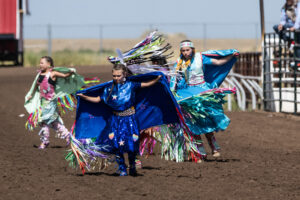
A Community Classroom is an opportunity for cultural and educational immersion!

This innovative curriculum-based program moves student learning “beyond the classroom” into a community venue for a period of days, not hours – this is more than a field trip! 

There has been a shift in education practice that moves away from subject-specific content and emphasizes “big ideas” that span multiple subject areas. With this in mind, the Community Classroom allows for engaging, concept-based learning in a unique, historical community space. Children learn best through active engagement, in other words, by doing!

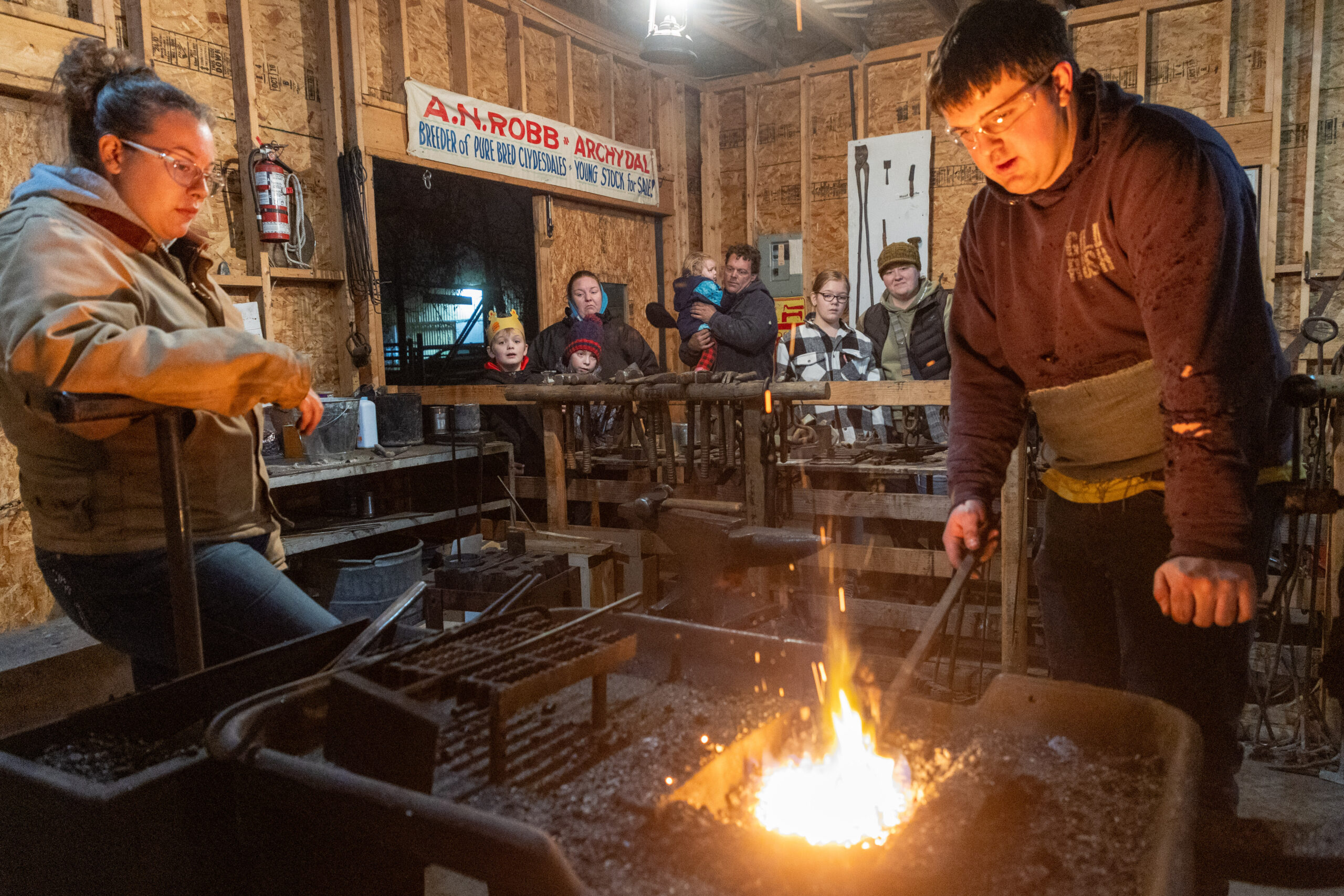
The Community Classroom learning experience offers teachers and students the opportunity to move beyond their classroom to a community venue for hands-on, multi-sensory, experiential learning. Meeting Alberta Education learning outcomes and curriculum expectations through meaningful, cross-curricular connections to the real world, this experience enhances active student learning. Students and teachers use this new “classroom” to engage in learner-led, inquiry-based learning and exploration through tours, journaling, viewing, observation and a host of creative interactive activities.
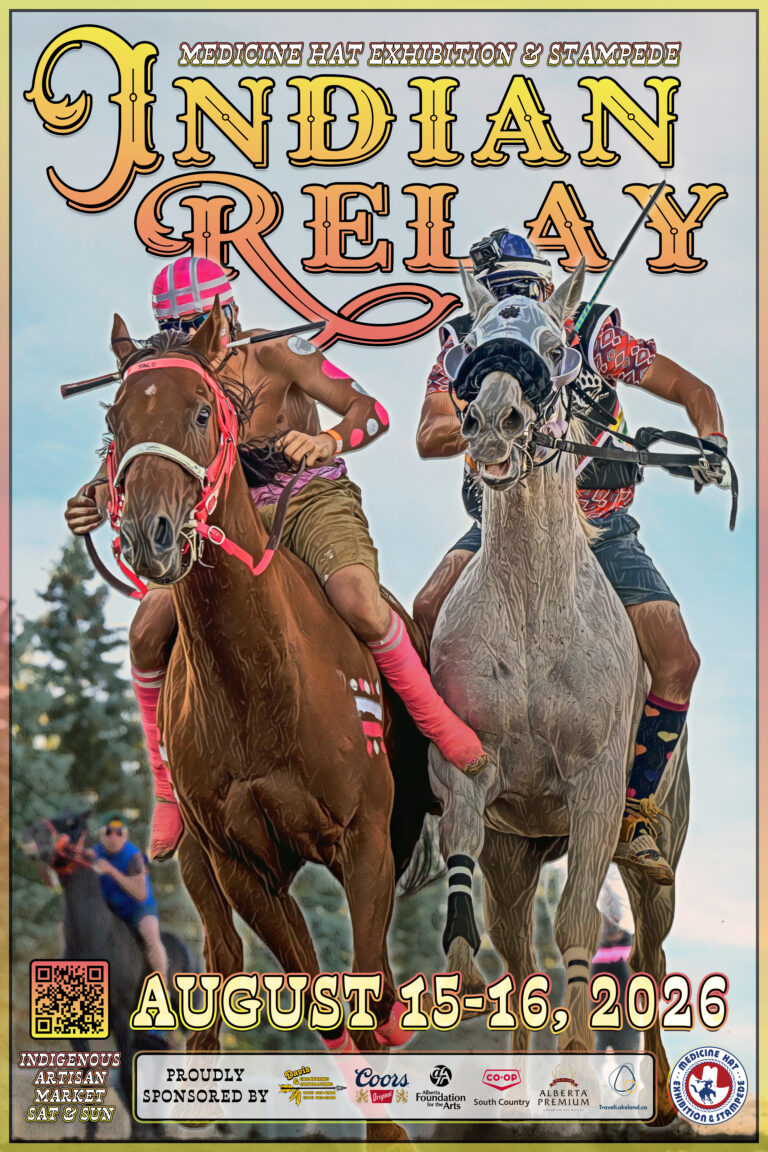
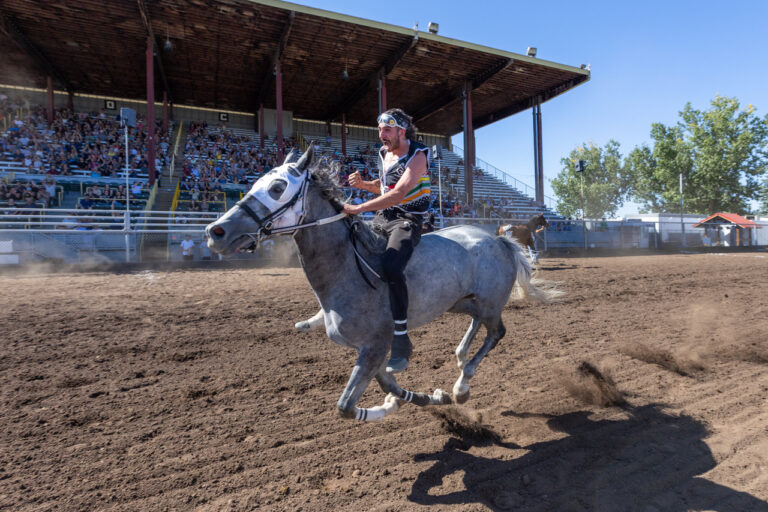
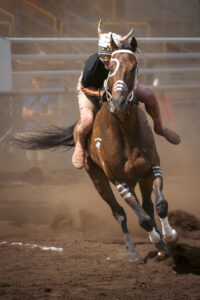
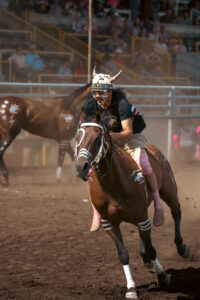
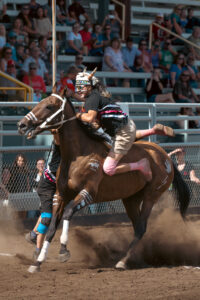
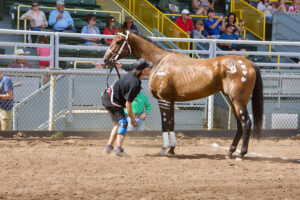
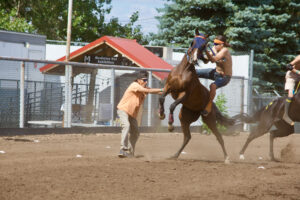
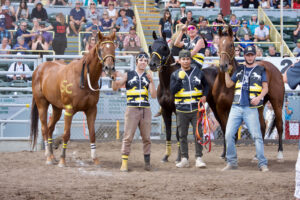
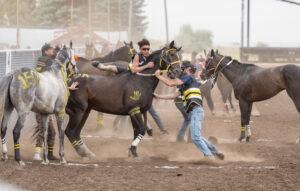
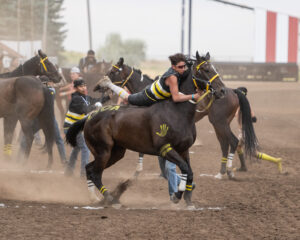
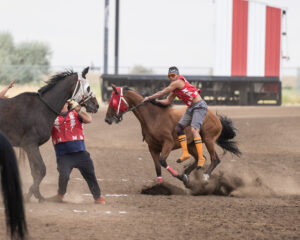
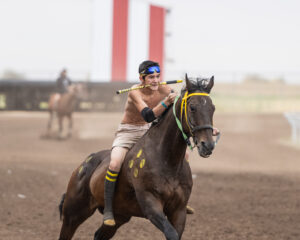
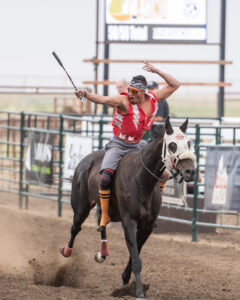
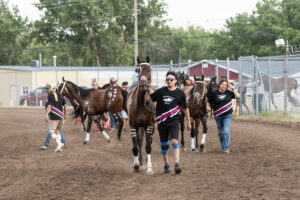
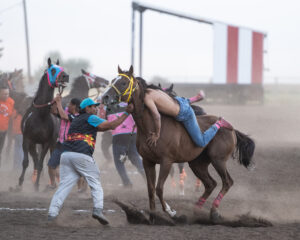
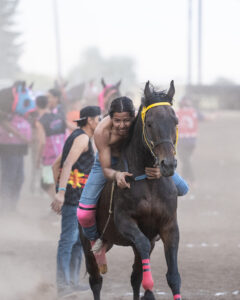
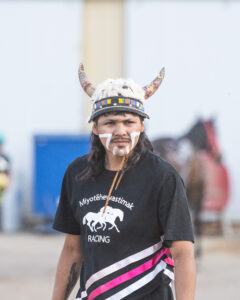
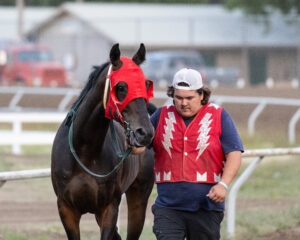
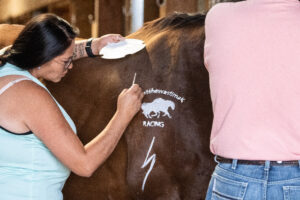
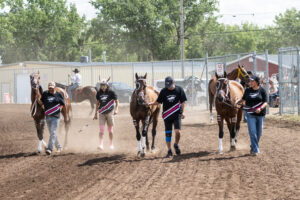
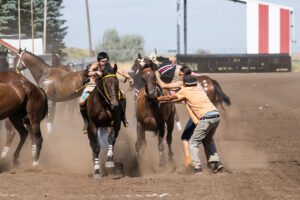
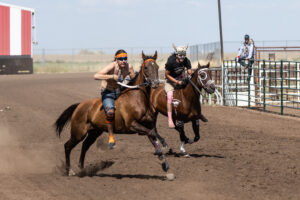
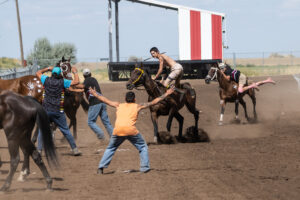
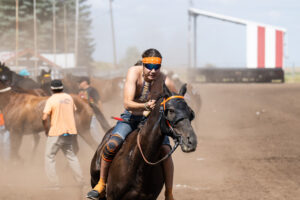
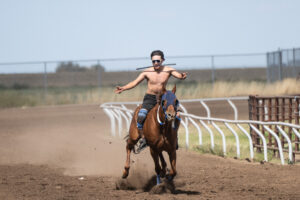
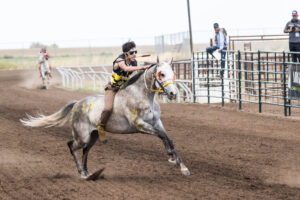
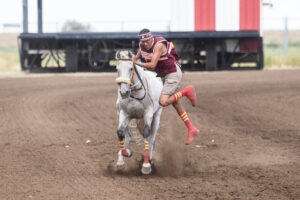
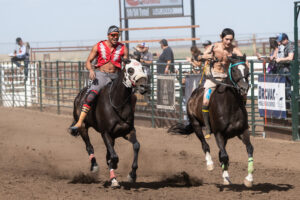
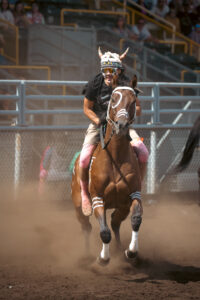
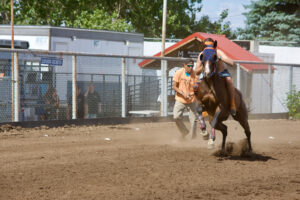
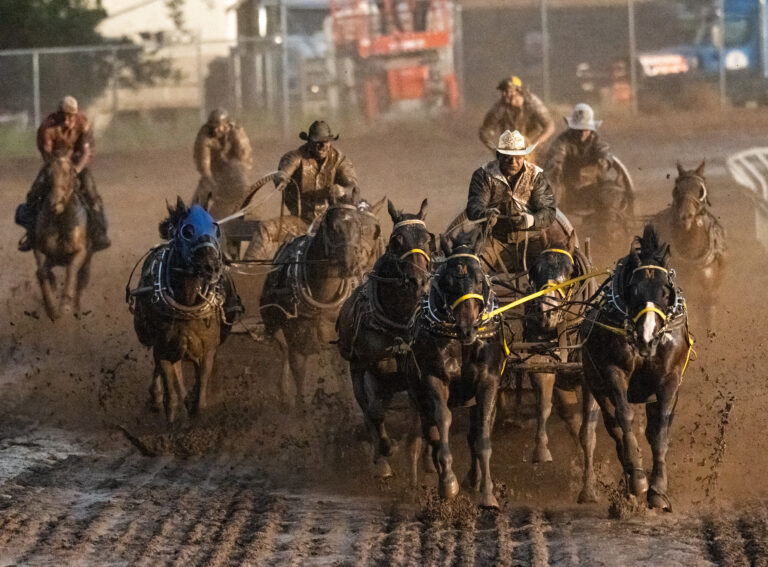
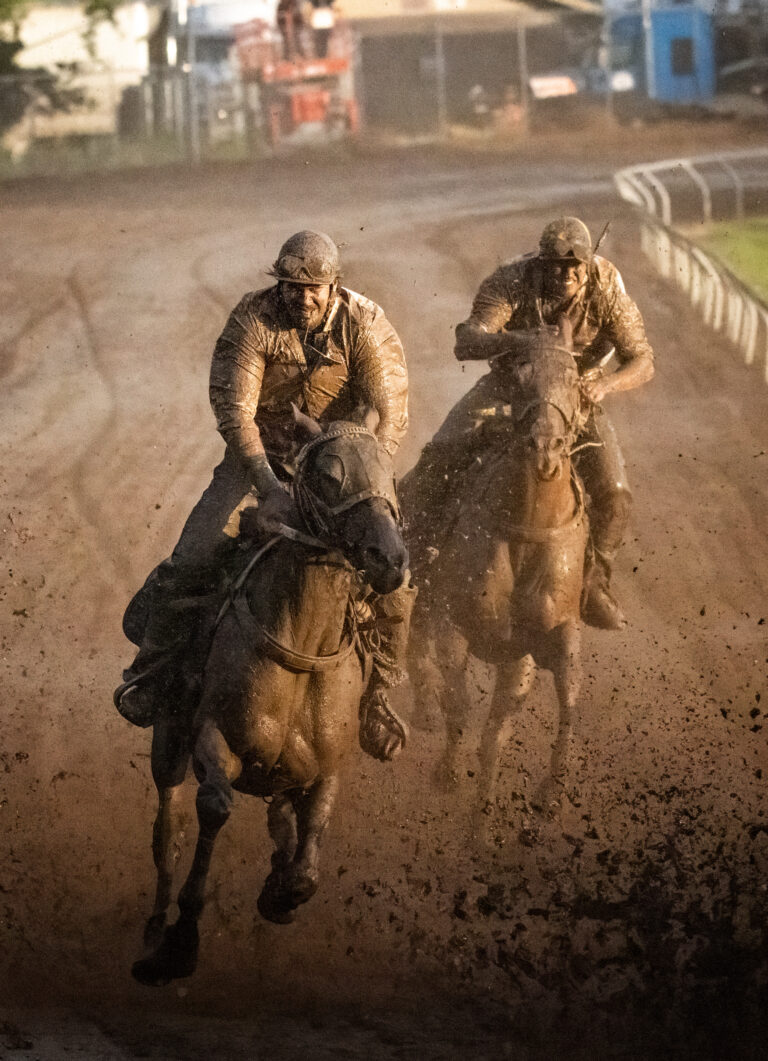
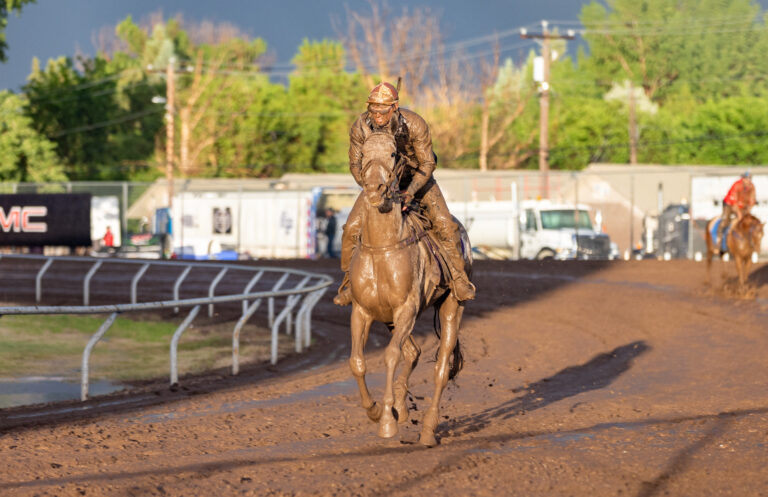
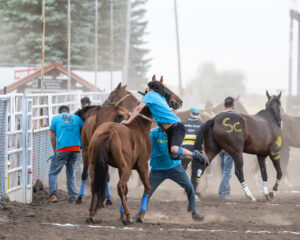
Indian Relay Racing

2025 Champion - Black Bear

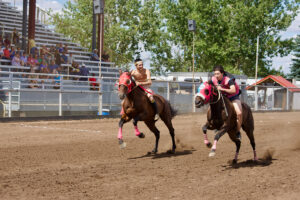
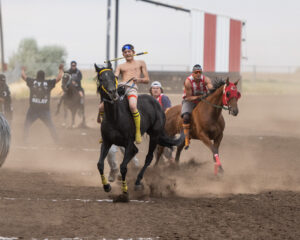
Jay Peeaychew rode Black Bear top the 2025 Medicine Hat Exhibition & Stampede Indian Relay championship with two nearly flawless races on Aug. 23 & 24, 2025. 

Official Resutls

1 Black Bear 
2 KC Stables
3 Rebel Relay
4 Chief Lapotac Relay
5 In It 2 Win It
6 Golden Eagle
7 Old Sun Relay
8 Northern Sky
9 150A Relay
10 Sun River Express
11 Pretty Young Man
12 Whitstone Relay
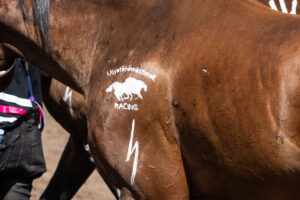
13 Whitefish Warriors
14 Battle River Outlawz
15 440 Nation
16 Big Tobacco Relay

Indigenous Artisan Market

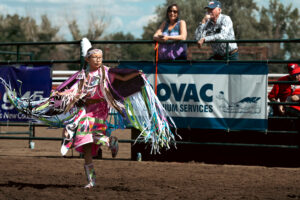
The Stampede also hosts an Indigenous Artisan Market alongside Indian Relay Racing in the Grandstand Ballroom. This free market features hand crafted goods from local Indigenous vendors, opening a few hours before the races begin and remaining open during the event.

North America’s original extreme sport 

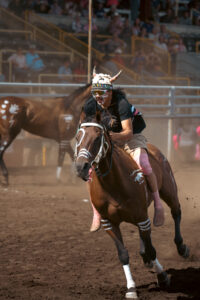
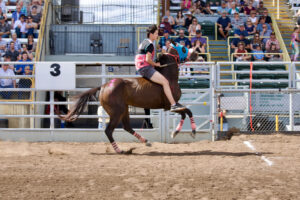
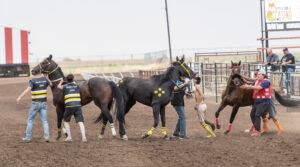
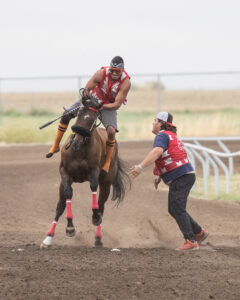
Indian Relay Racing tasks teams of riders with racing around our track and switching out horses every lap.

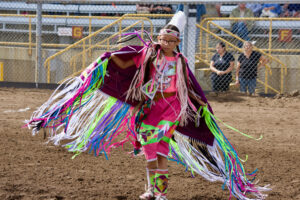
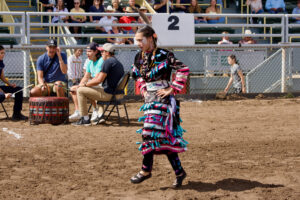
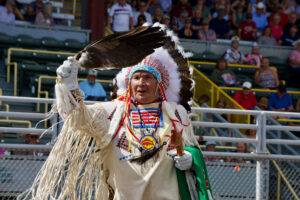
This event is organized in collaboration with Travel Alberta and Indigenous leaders and experts to ensure the essence of Indian Relay Racing is respected and preserved. It is a celebration of North American Indigenous culture, and it’s sure to keep you on the edge of your seat from start to finish.

Thank you to everyone who helps make this event such an unforgettable success!

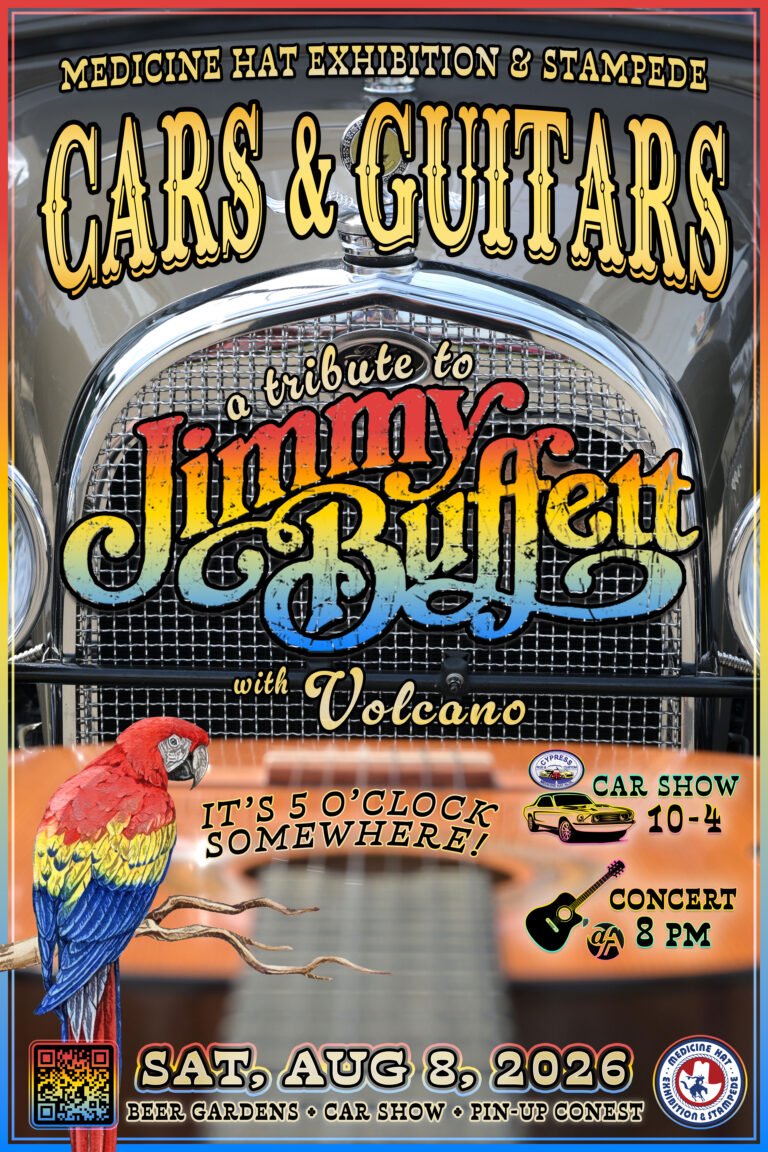
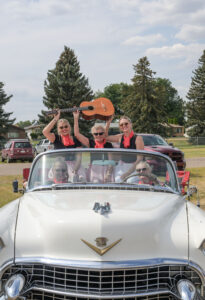
Cars & Guitars

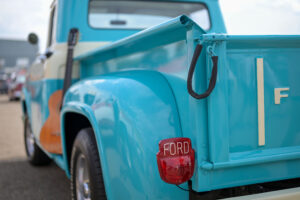
Vintage Cars All Day, 

Classic Tunes All Night

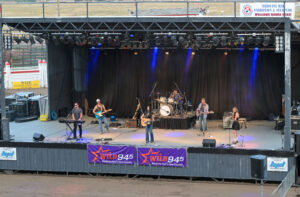
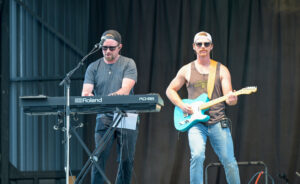
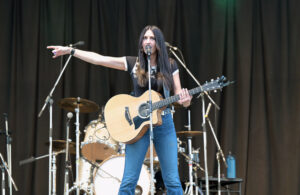
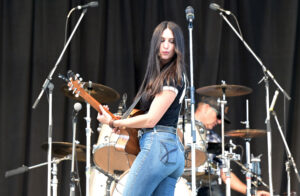
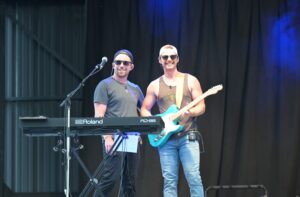
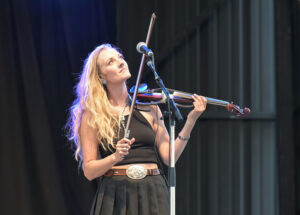
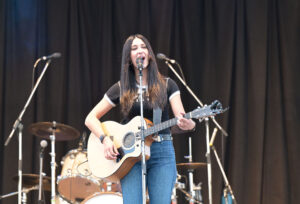
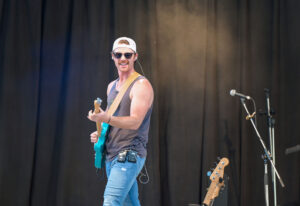
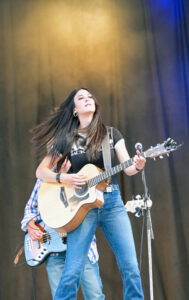
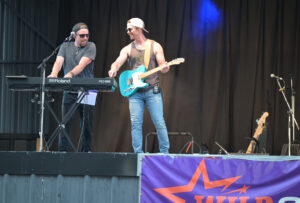
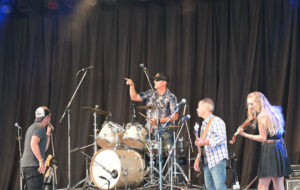
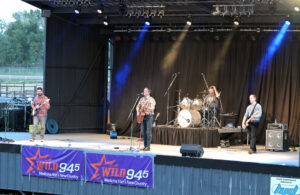
The car show runs 10-4, with a grandstand concert to follow at 8 p.m., featuring a tribute to Jimmy Buffett with Volcano, and guest Half Katz!

Farmers’ Market

Make It, Bake It,
Grow It, Sell It

Now taking applications for the 2026 Season!  

Fresh produce, homemade baking, fruits, meats, crafts, jewellery, fresh roasted coffee and many more items to choose from. 

Good reasons to shop at the Farmers’ Market: Fresh produce, quality products, price savings, specialty items, unique products, personalized service, social atmosphere, supporting our community.

Come and join us for our neighbourly social atmosphere at the Farmers’ Market and enjoy a completely unique shopping experience!

The Farmers’ Market continues to be a staple at the Stampede Grounds, thanks to the many vendors who participate and the public who generously supports them. 

We are always excited to see all the familiar vendors as well as many new ones, as the popularity of the market grows.

Please print the Application Form and email it to dgunderson@mhstampede.com

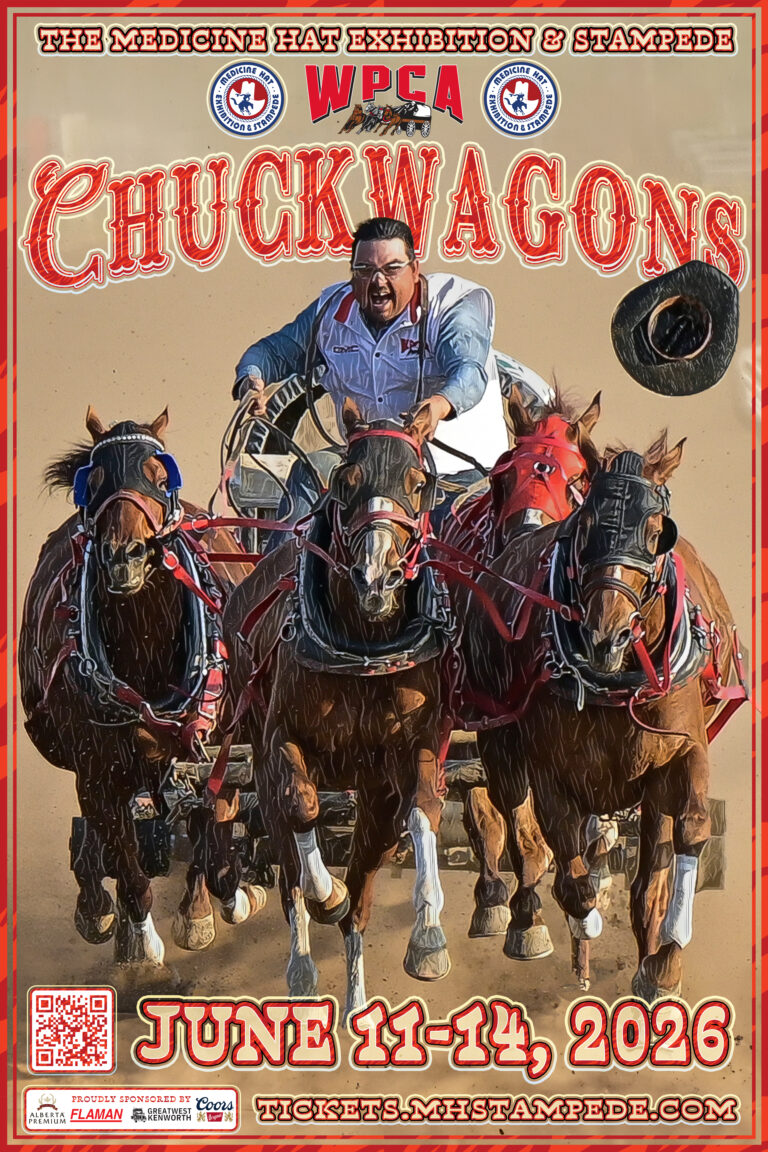
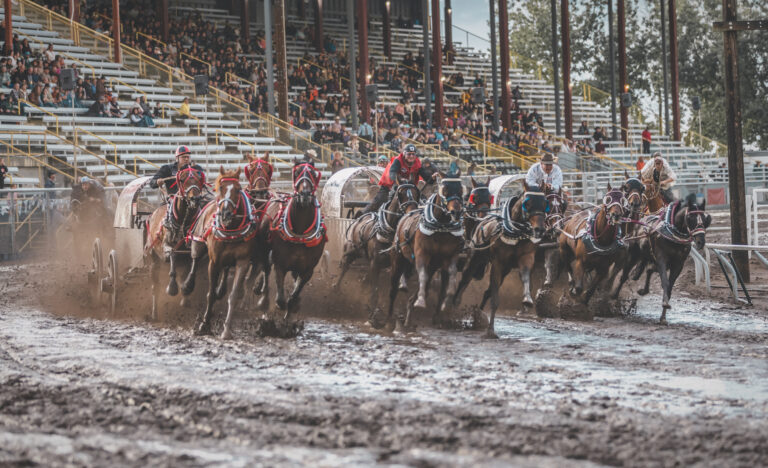
WPCA Chuckwagon Races

June 11-14, 2026

World Professional Chuckwagon Races

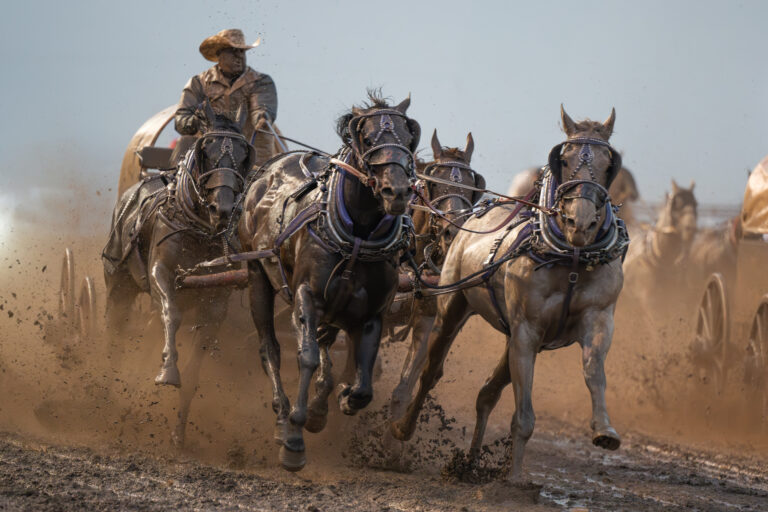
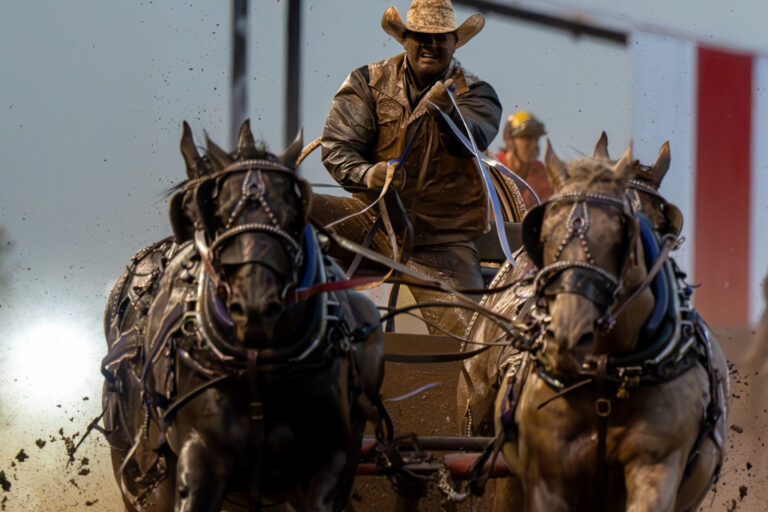
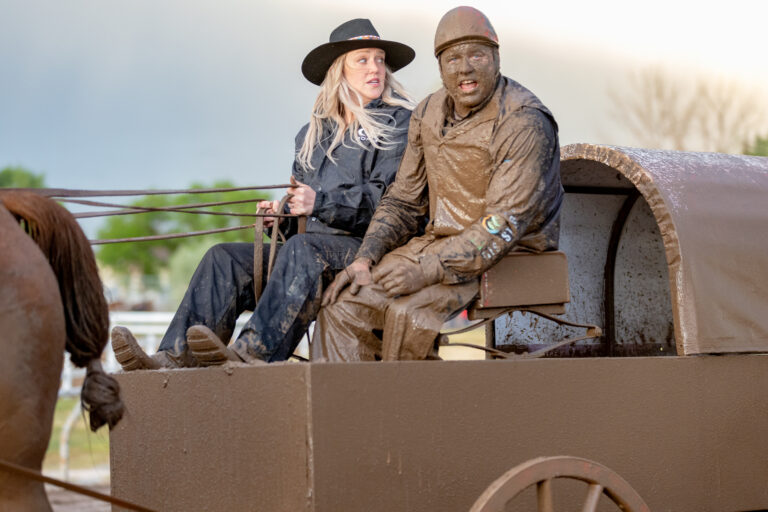
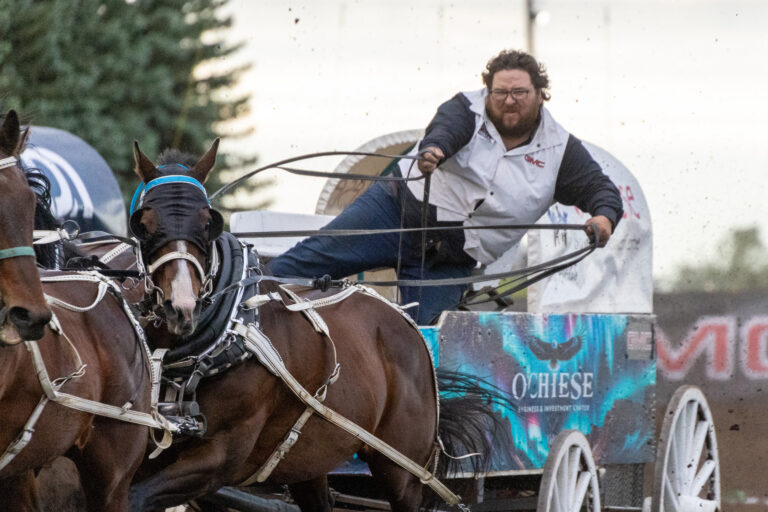
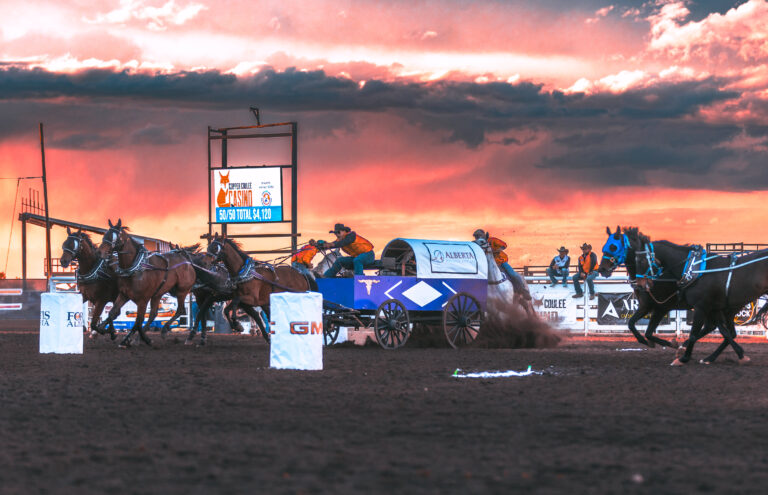
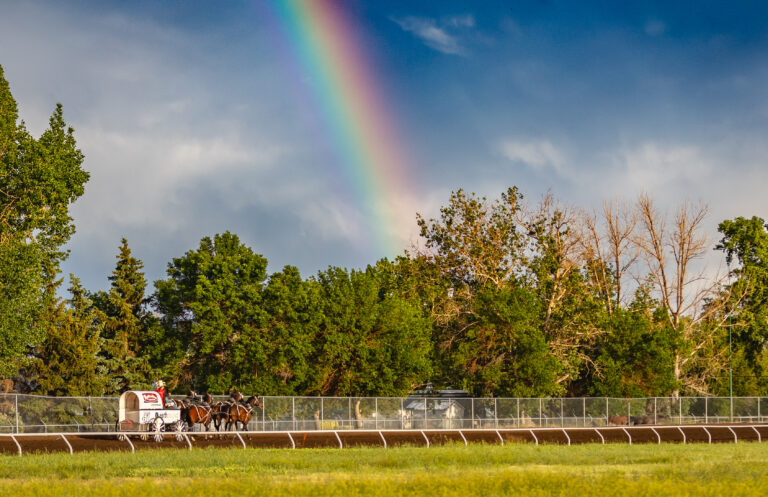
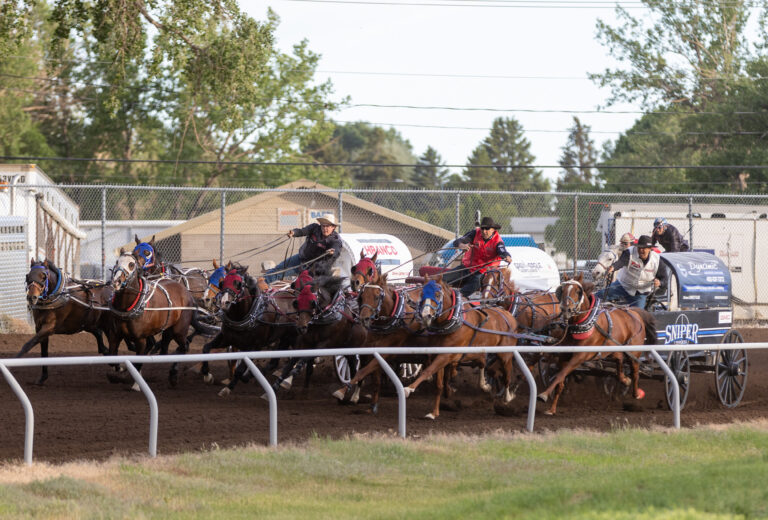
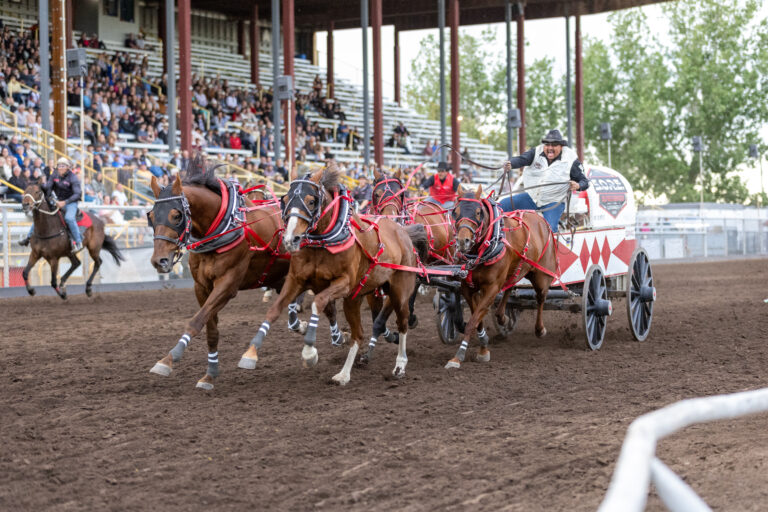
Three drivers race head-to-head around a half mile of hell. The chuckwagon is pulled by four thoroughbred horses and controlled by a chuckwagon driver, with two outriders. When crossing the finish line, the crowd cheers and eggs on the team, making the horses more excited and BAM — they cross the finish line!

Christmas Farmers’ Market

Christmas Farmers’ Market 2025

November 7, 2025: 12-8pm

November 8, 2025: 9am-5pm

Cypress Centre – Fieldhouse & Pavilion

  • General Admission $2
  • Children under 12 are free

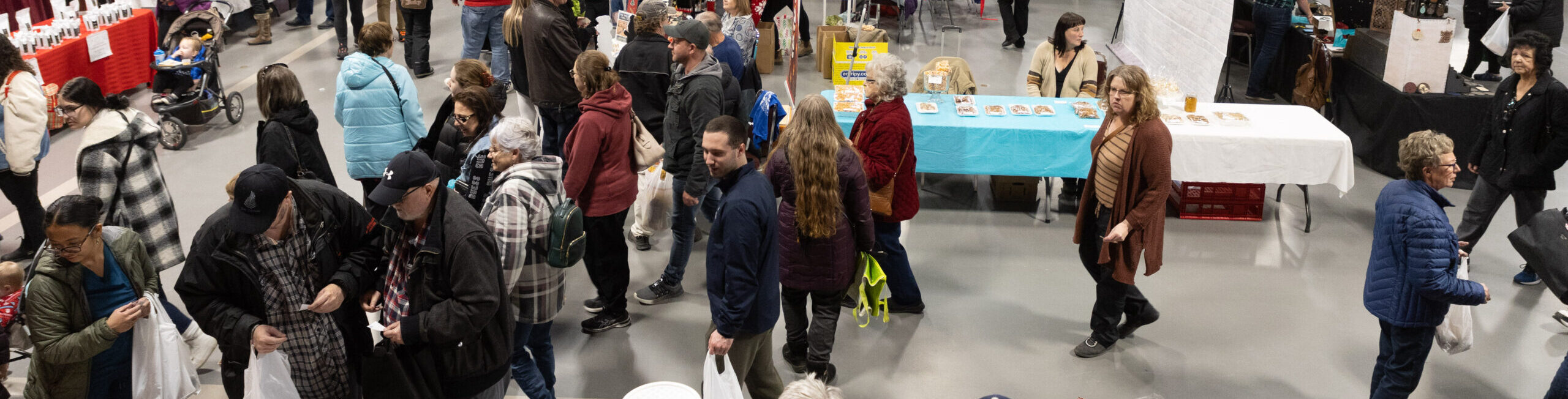
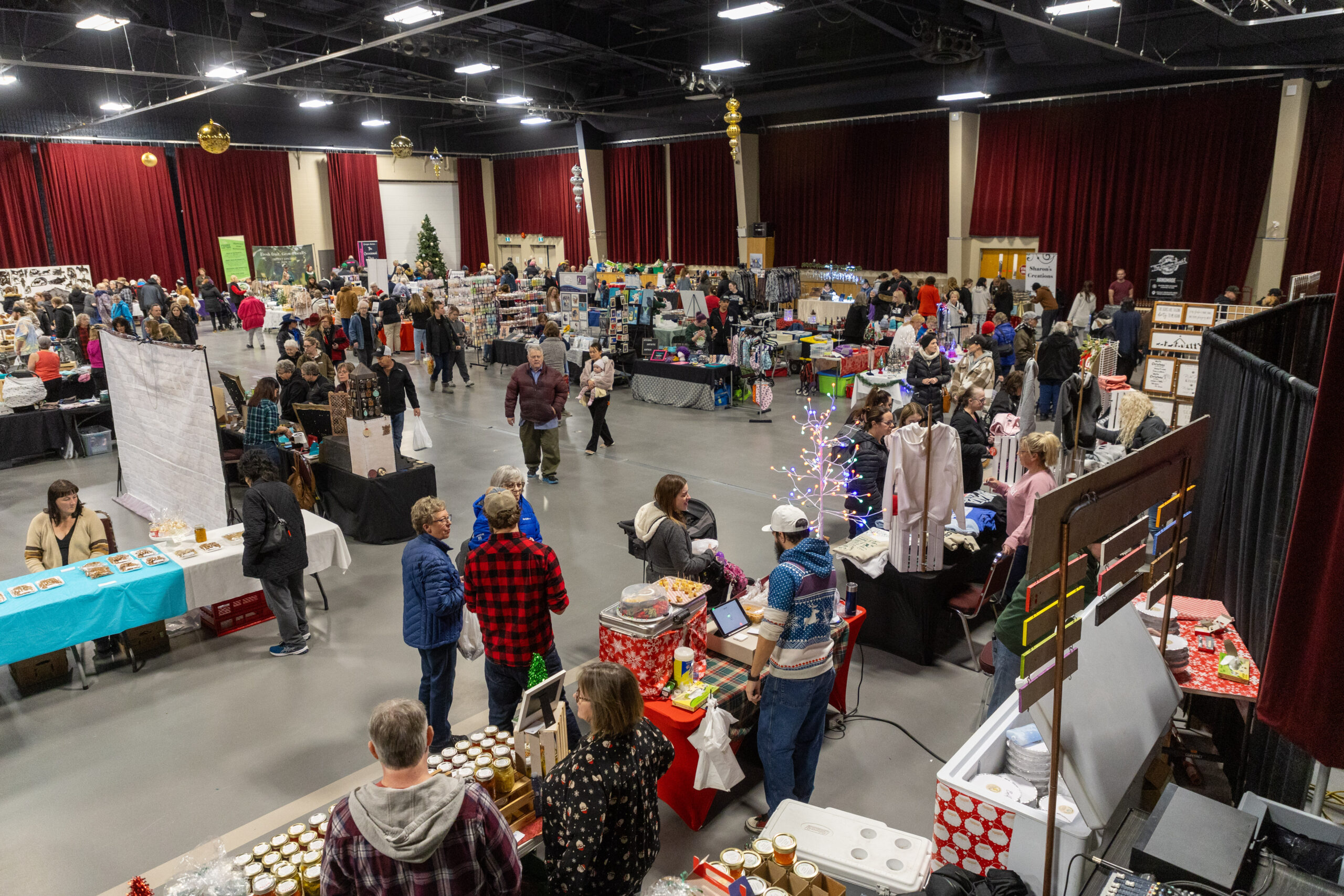
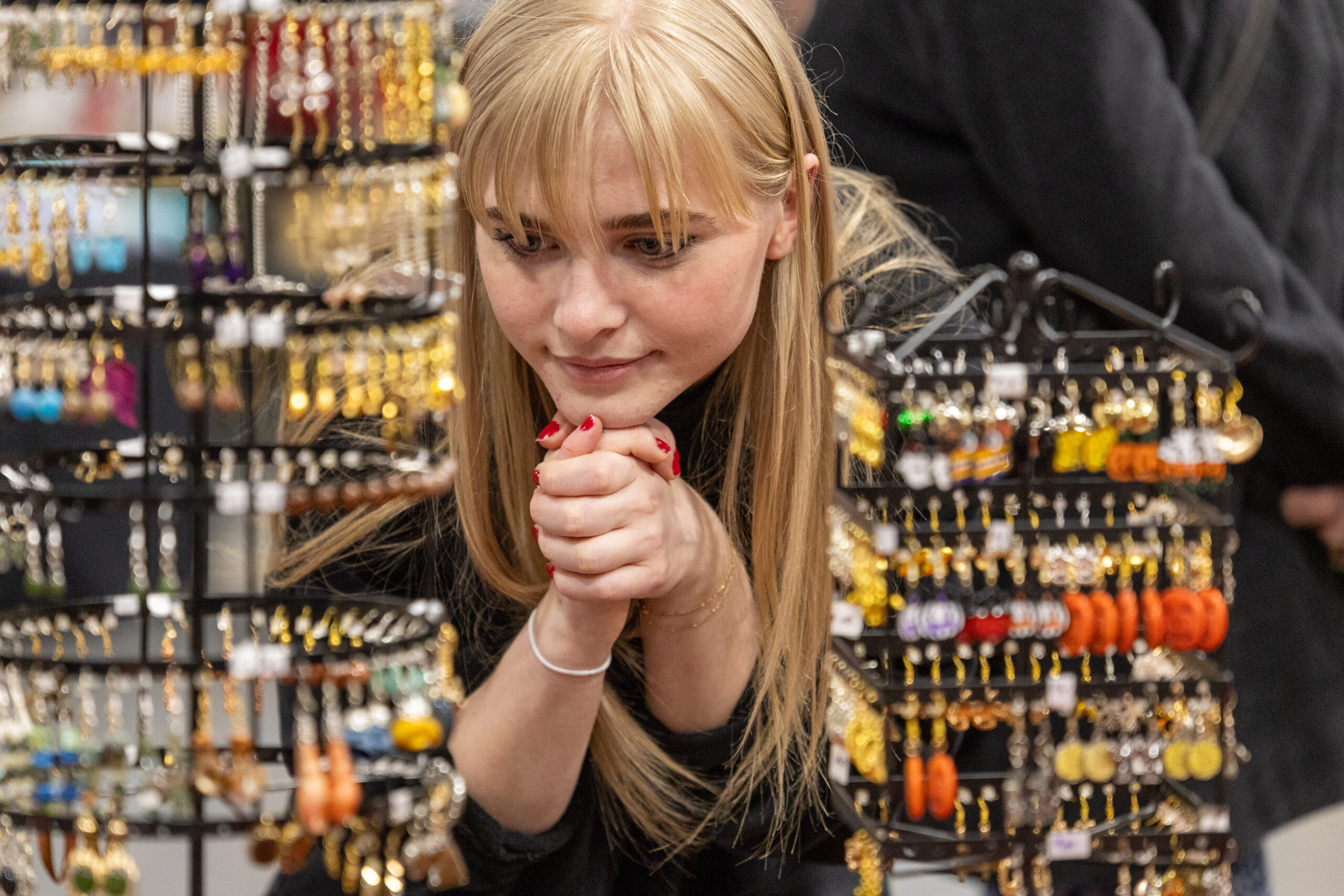
The recipe for our Christmas Market is a twist of something homemade or made for a home, this market offers something for both. We’ve combined a healthy batch of home made treats, stirred in some crafty vendors and added a pinch of your favourite bath and body products created our Medicine Hat Exhibition & Stampede Christmas Market

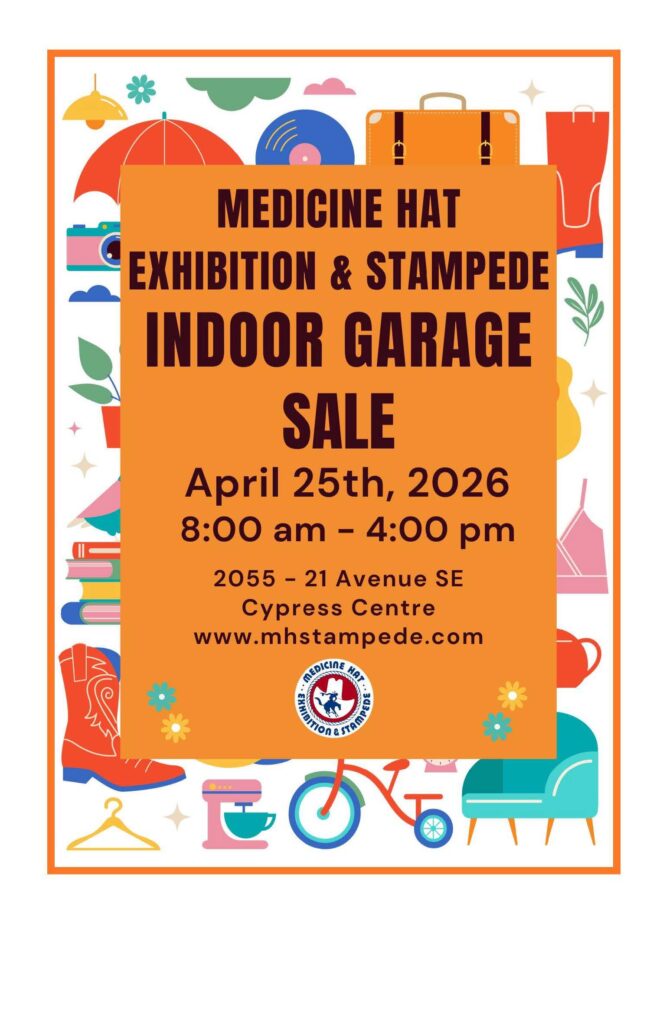
Indoor Garage Sale

2026 Indoor Garage Sale

💵 Want to Sell Your Stuff?

Turn your spring cleaning into extra spending money!

  • $50 gets you 2 tables (6′ x 2.5′) + 2 chairs

  • Additional tables are just $20 each

Spots fill up quickly, so grab yours early!

Please note: this event is for garage sale items only (no businesses).

Whether you’re decluttering, downsizing, or just love the thrill of the hunt — this is the perfect way to spend a spring Saturday.

Tag a friend who needs to clean out their basement 👇 and we’ll see you at the Cypress Centre! 🌷

Application

$50 includes 2 tables (6'x2.5') and 2 chairs. Additional tables are $20 each

Olde Tyme Christmas Fair

Feel the Holiday Spirit!

Thursday, December 4th, 2025

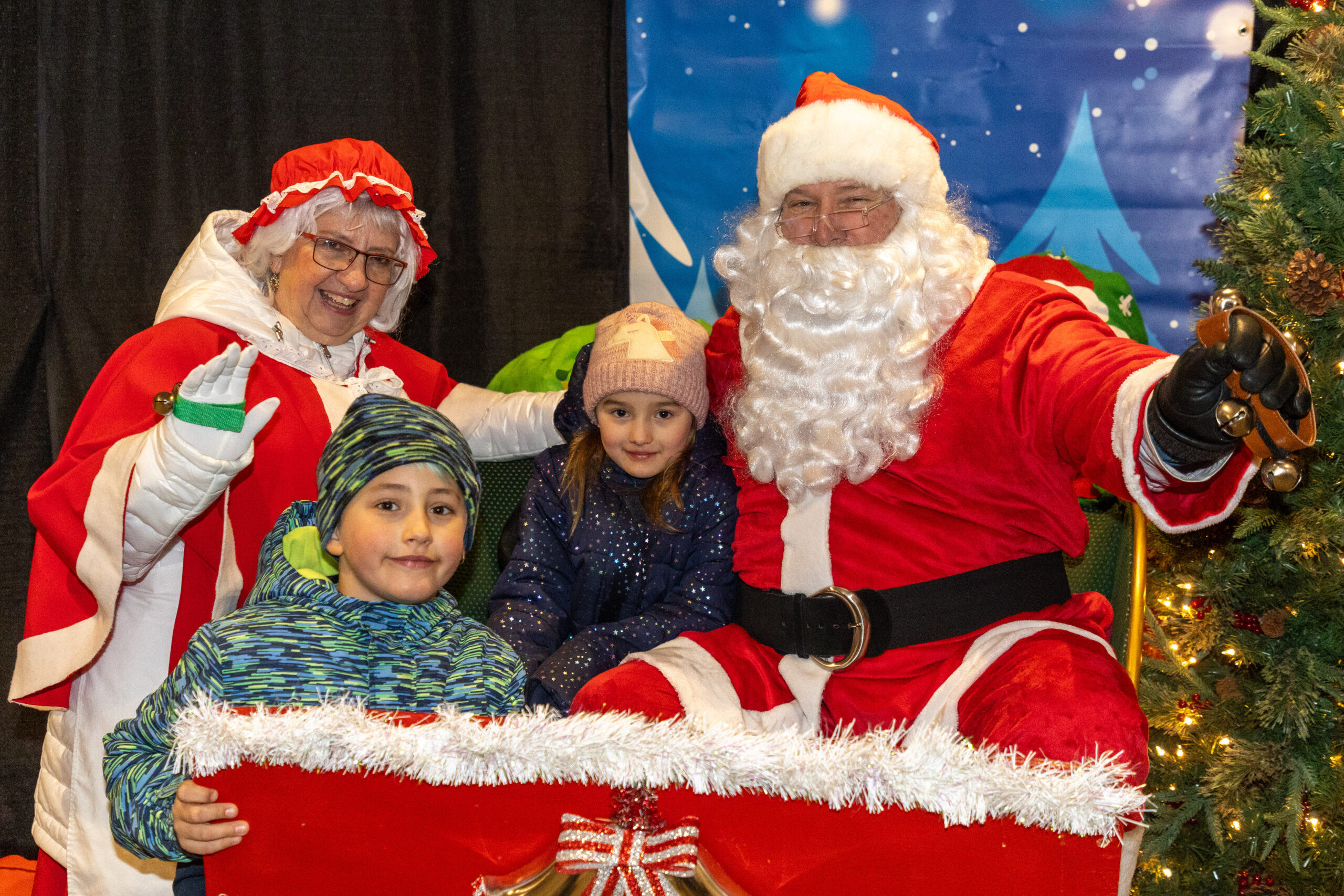
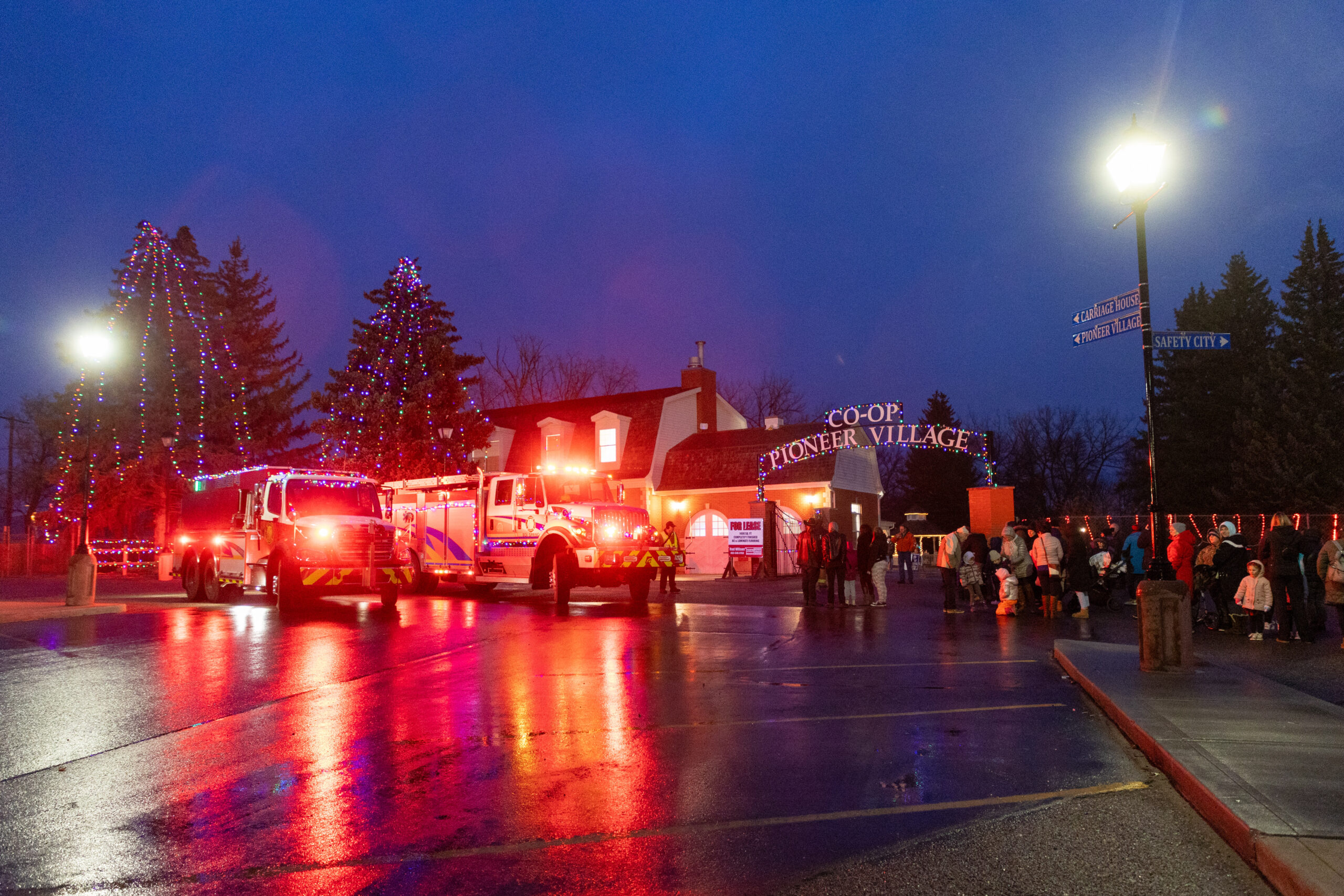
Medicine Hat’s favourite free festive gathering returns to Co-op Pioneer Village on Thursday, Dec. 4.

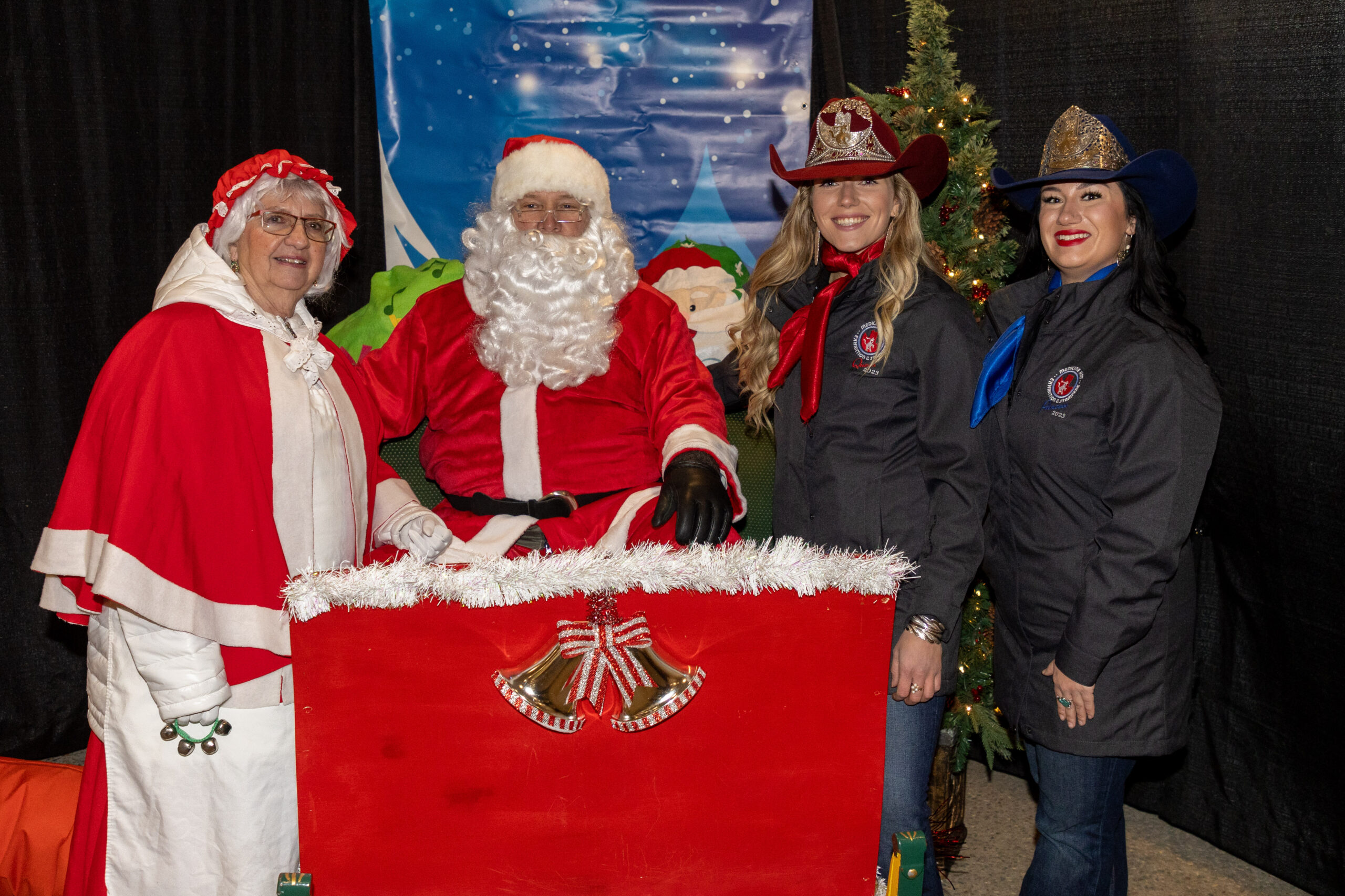
FREE Photos with Santa Claus from 5-8

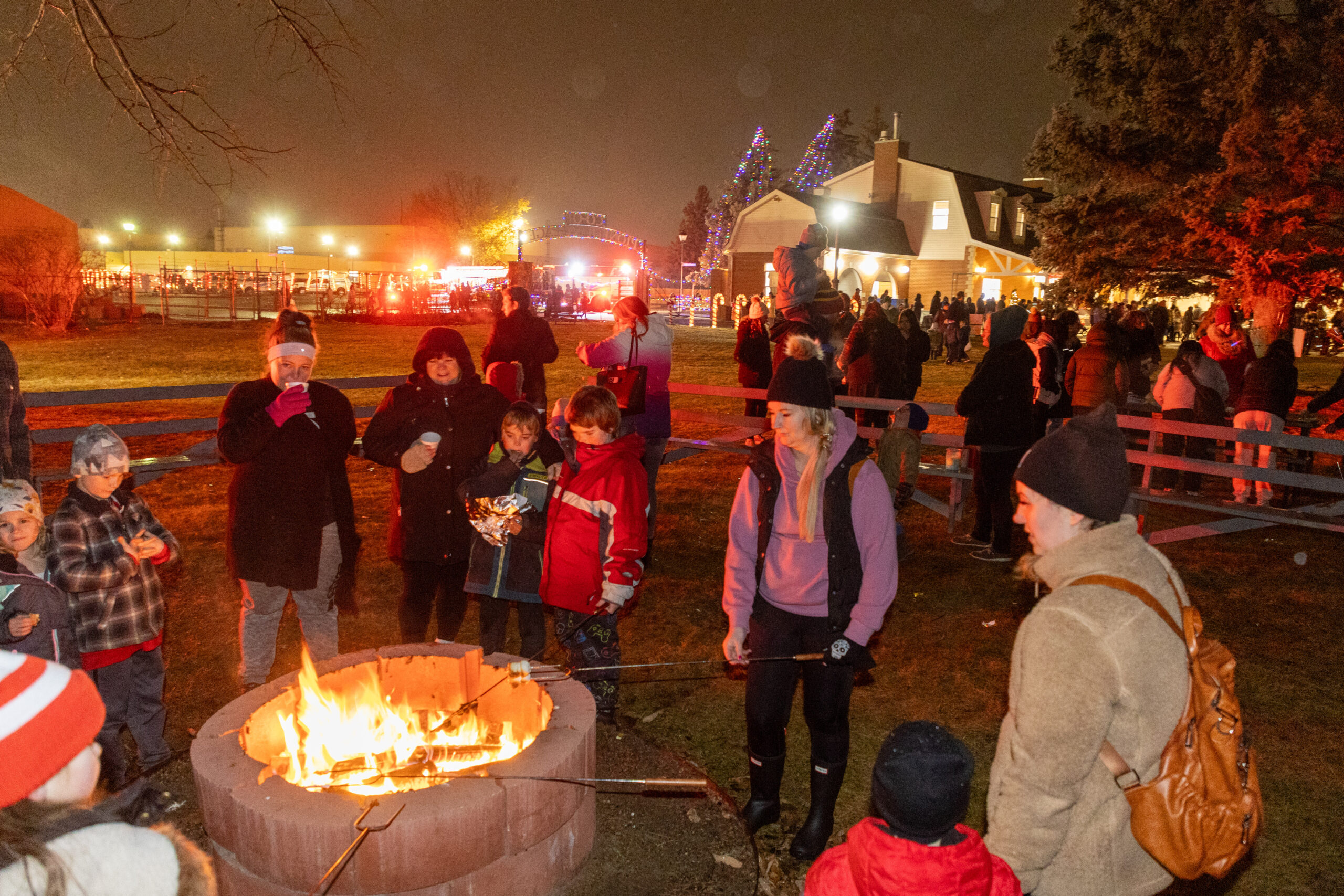
FREE Hot Chocolate from 5-8*

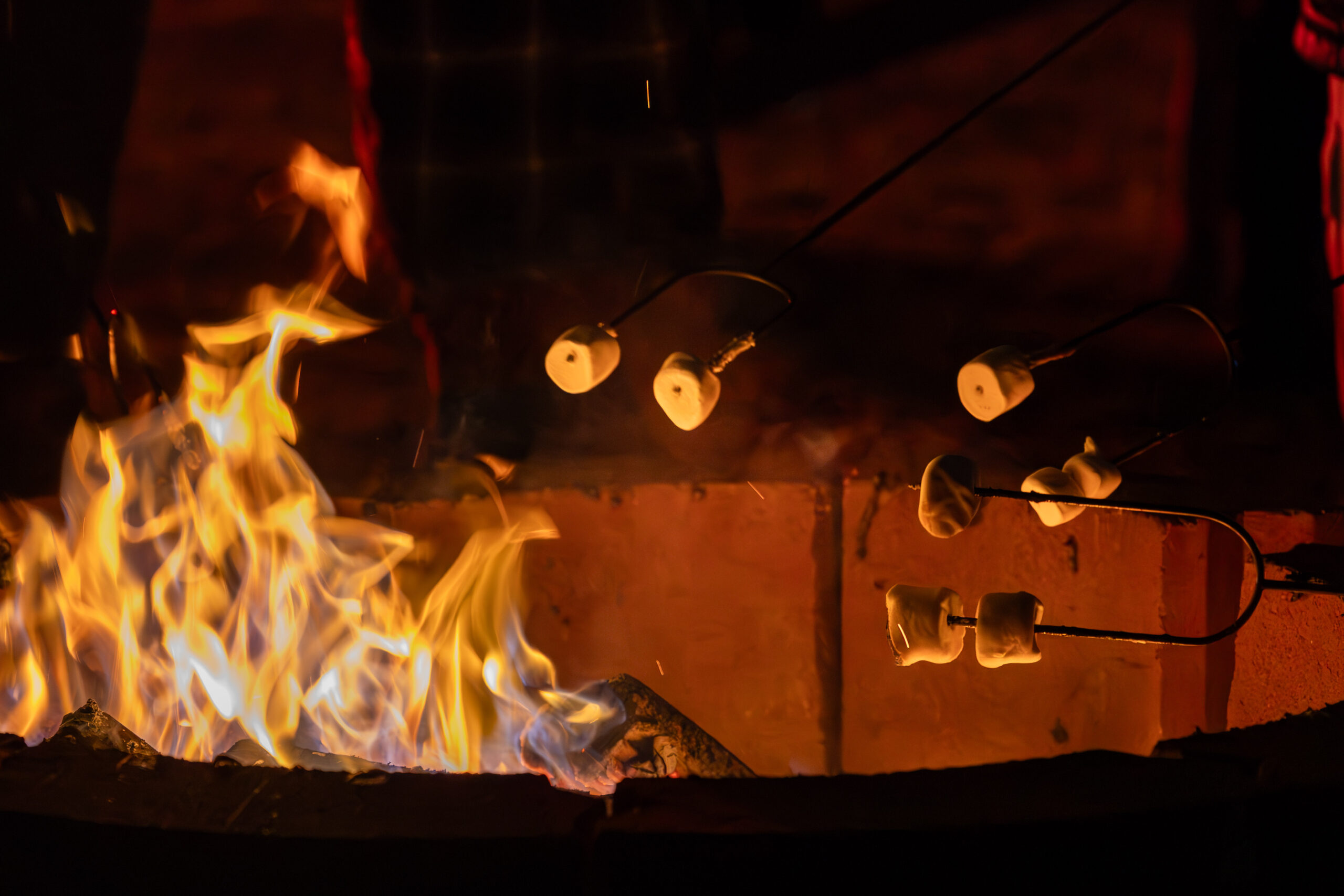
FREE S’mores from 5-8*

FREE Hot Dogs from 5-8*

FREE Wagon Rides from 5-8

The Christmas Market will be open from 4-9 next door in the Cypress Centre, and Co-op Pioneer Village will be open for the evening, so come explore, gather round the campfire and share in the Holiday Spirit!

Don’t miss out on the Servus Credit Union Olde Tyme Christmas Fair & Market!

Please email mhstampede@mhstampede.com if you have any questions

*while supplies last*

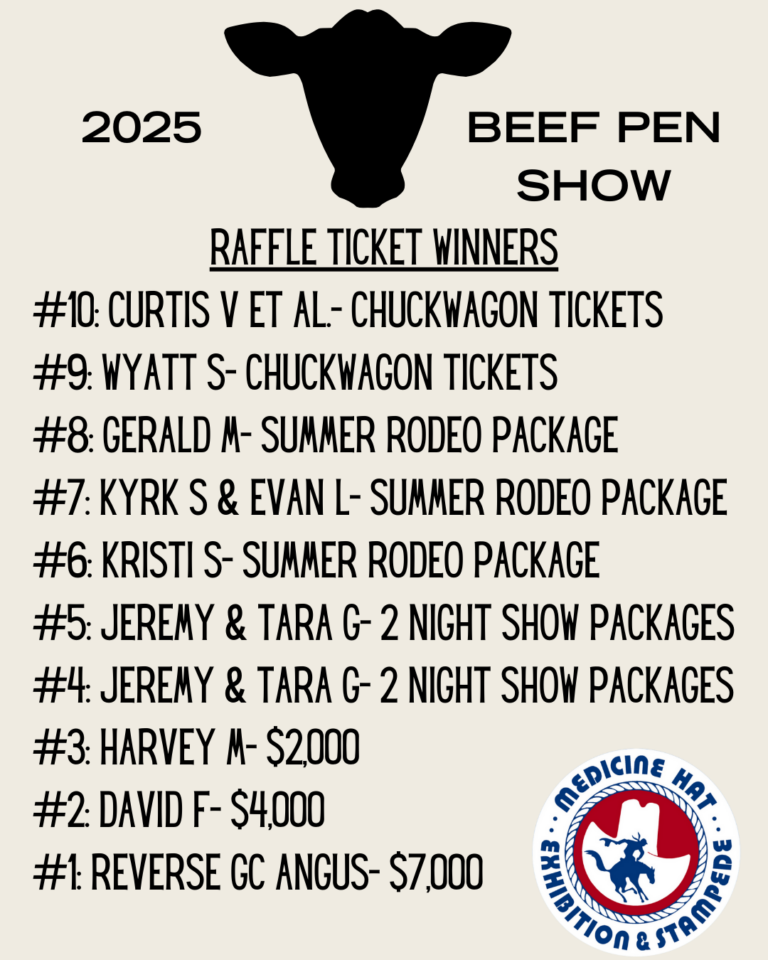
Beef Pen Show & Cowboy Christmas Trade Show

Beef Pen Show

The Beef Pen Show & Cowboy Christmas Trade Show begins Friday, Dec. 18 at 2 p.m. with cattle viewing and the opening of the trade show. 

The Sweet Pro Feeds Steak Sampling returns Friday at 6 p.m., with the opening of the Pen Show to follow at 7:30 p.m.

The trade show opens back up Saturday at 9 a.m., running until 5 p.m. alongside the Pen Show!

For help with entries, please call Mandy at 403-580-9846 or email dm_hyland@hotmail.com

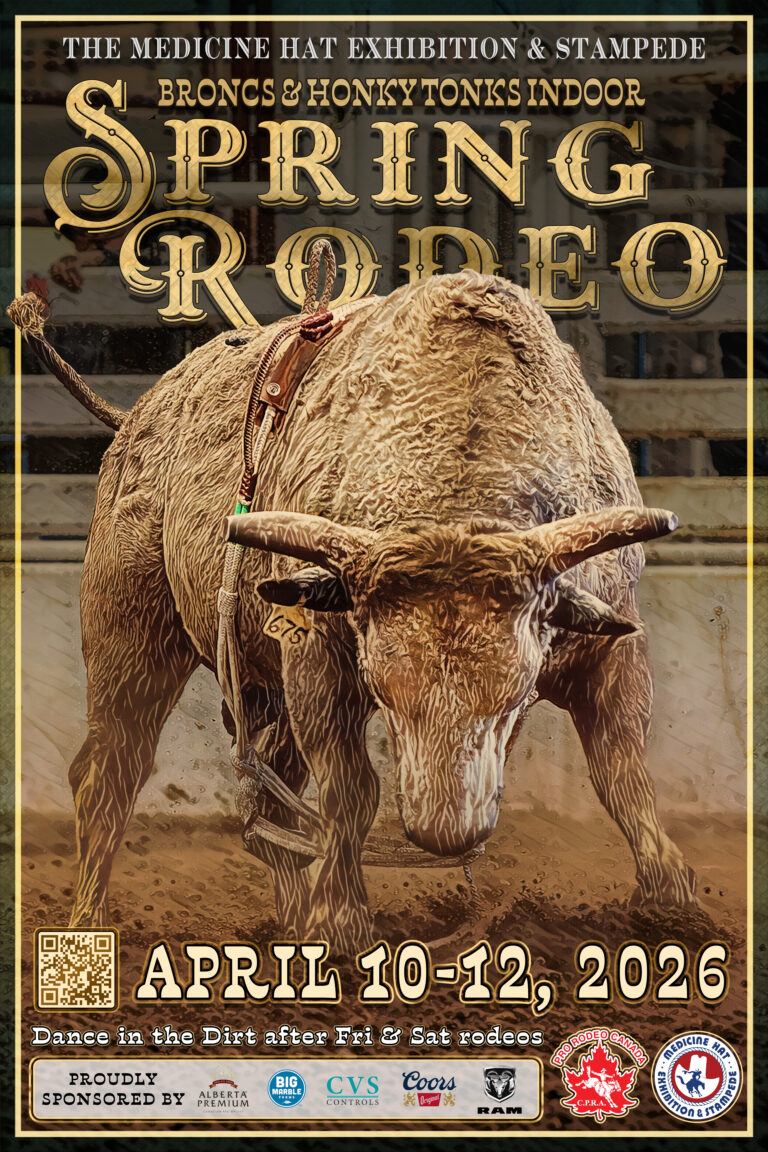
Broncs & Honky Tonks Rodeo

April 10-12, 2026

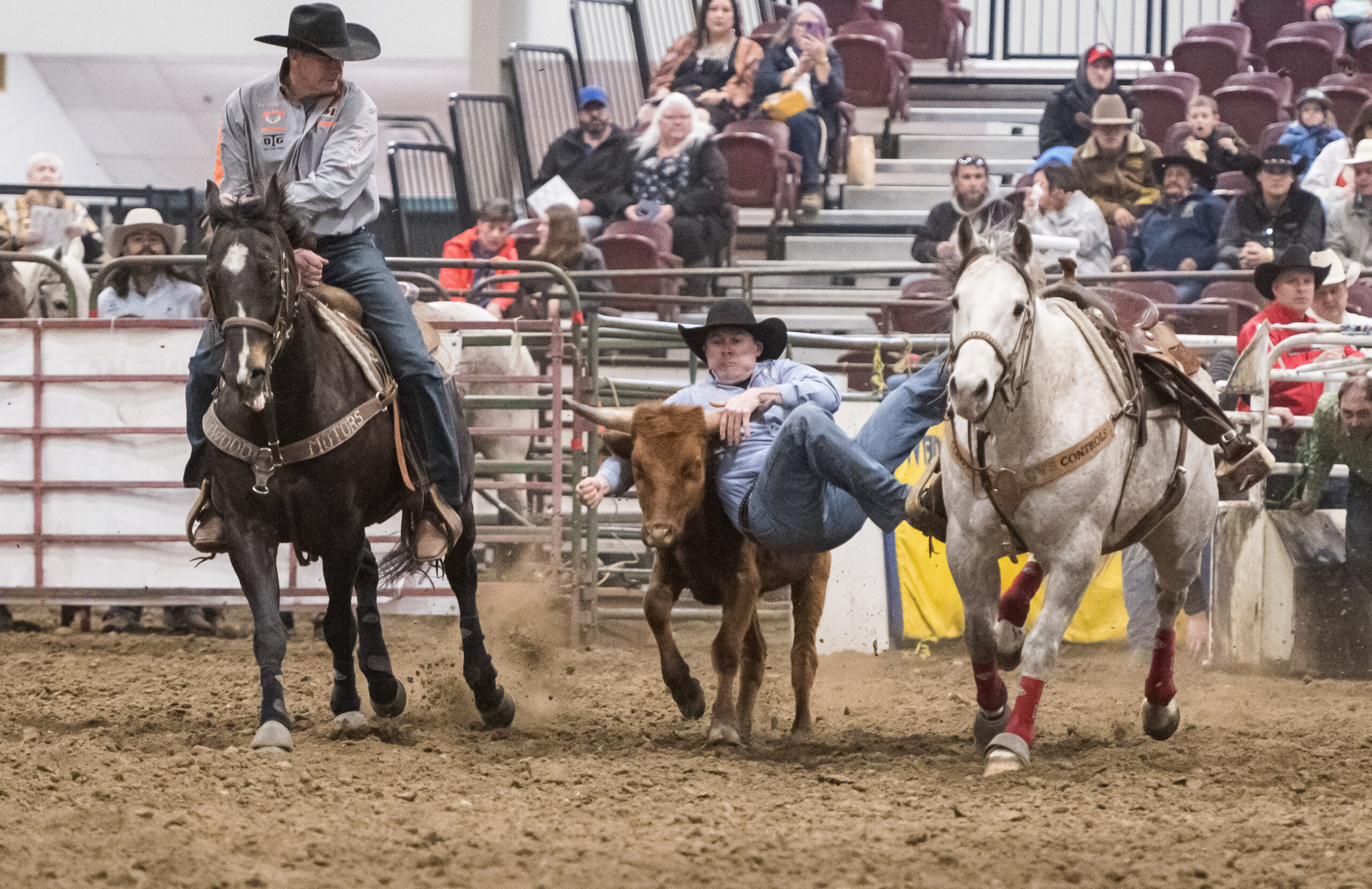
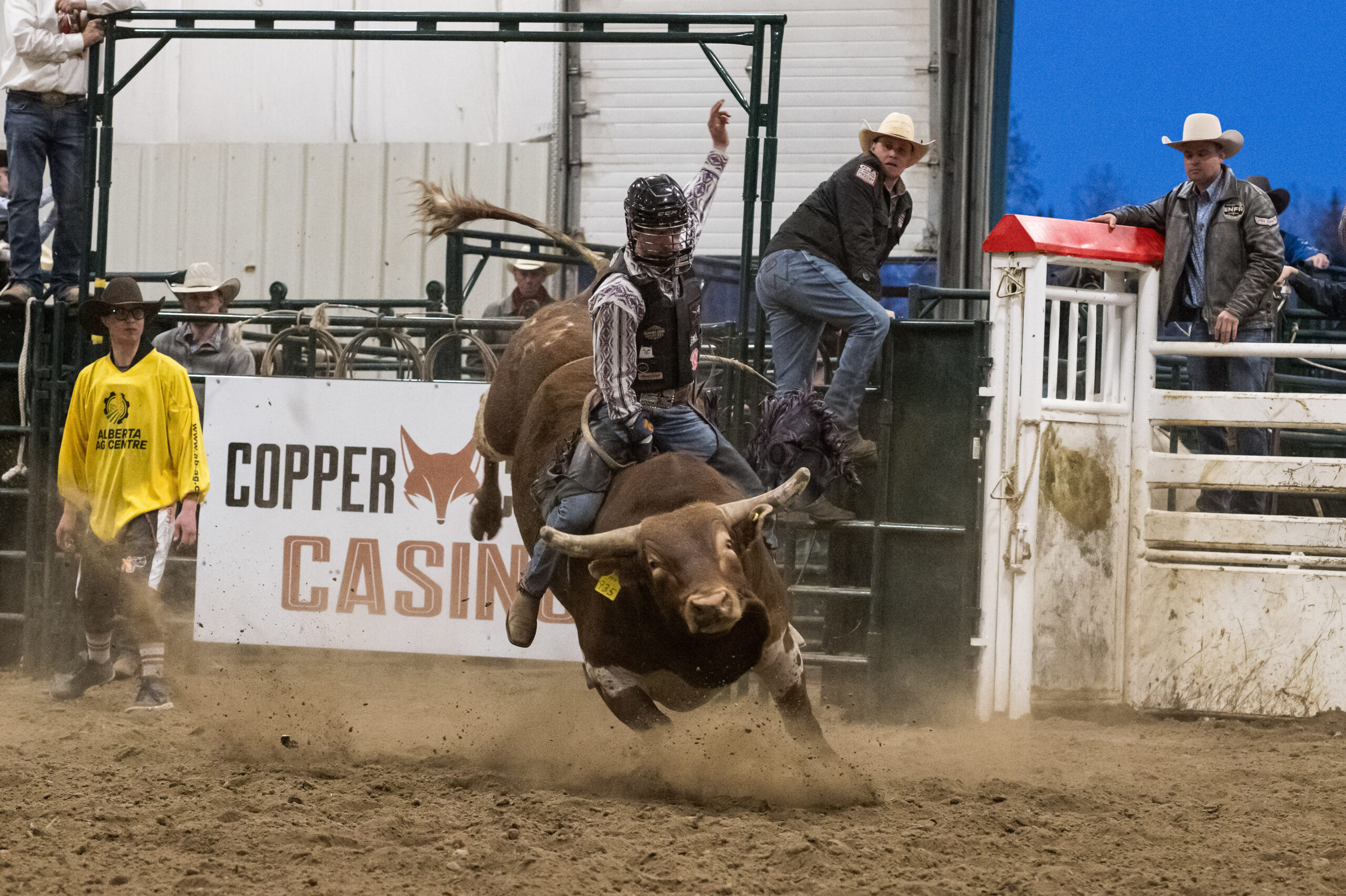
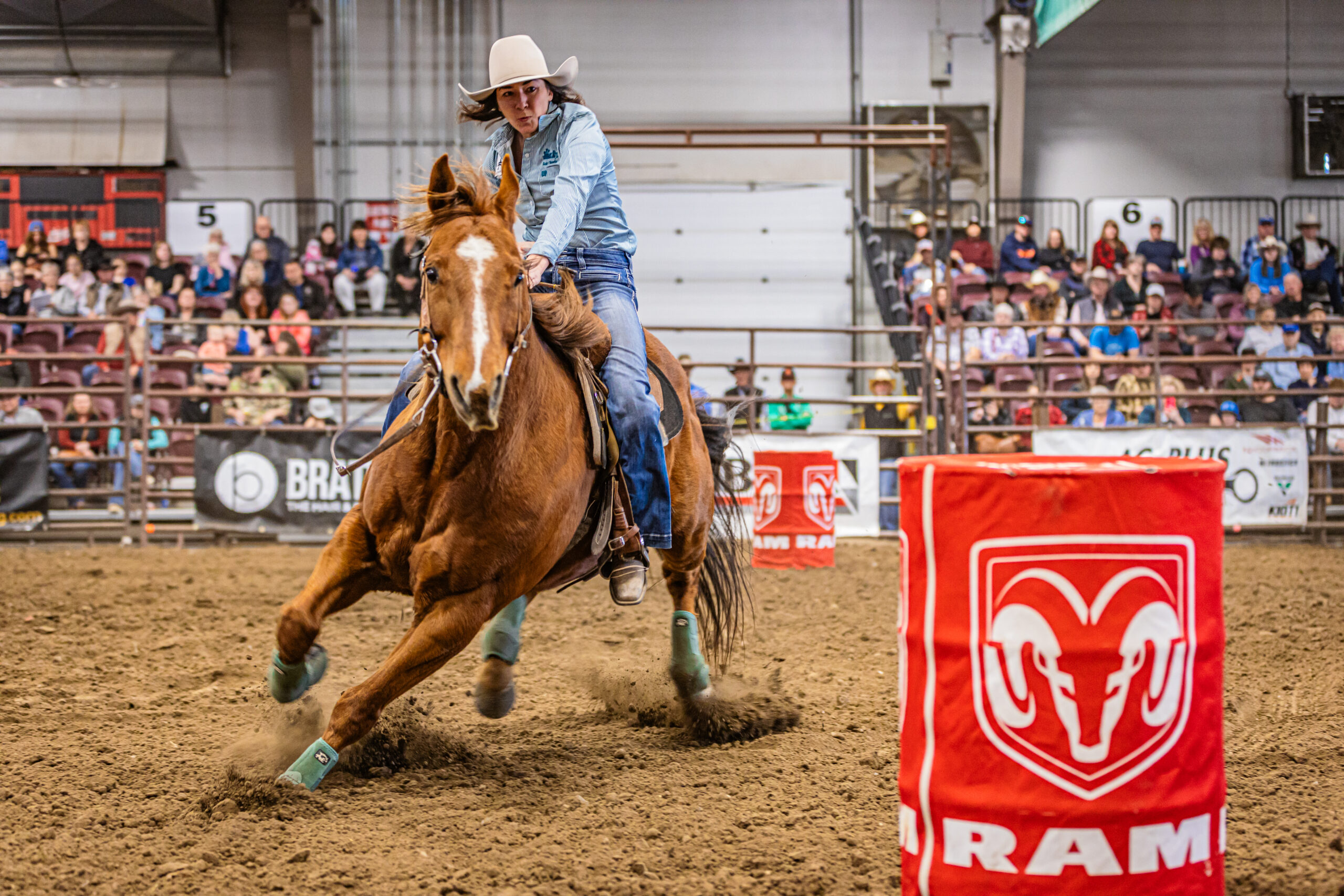
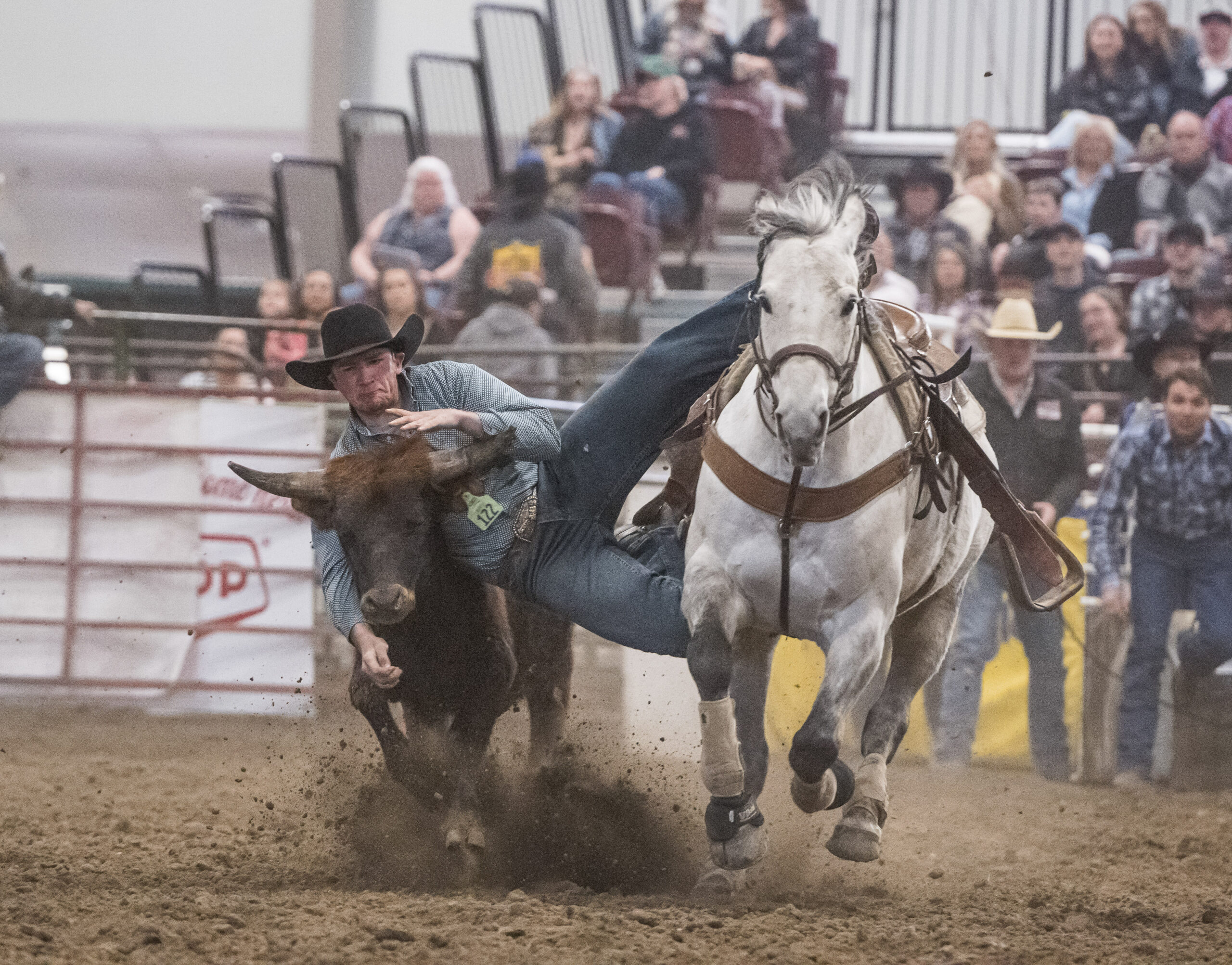
Get up close and personal with some of the world’s top cowboys and cowgirls at this one-of-a-kind indoor rodeo event located inside the Cypress Centre Fieldhouse, featuring bull riding, barrel racing, bareback riding, tie-down roping, saddle bronc riding, team roping, steer wrestling and steer riding!
Stick around after Friday and Saturday’s rodeos for our Down in the Dirt Dance — take over the infield and dance the night away to your favourite songs!

Event Descriptions

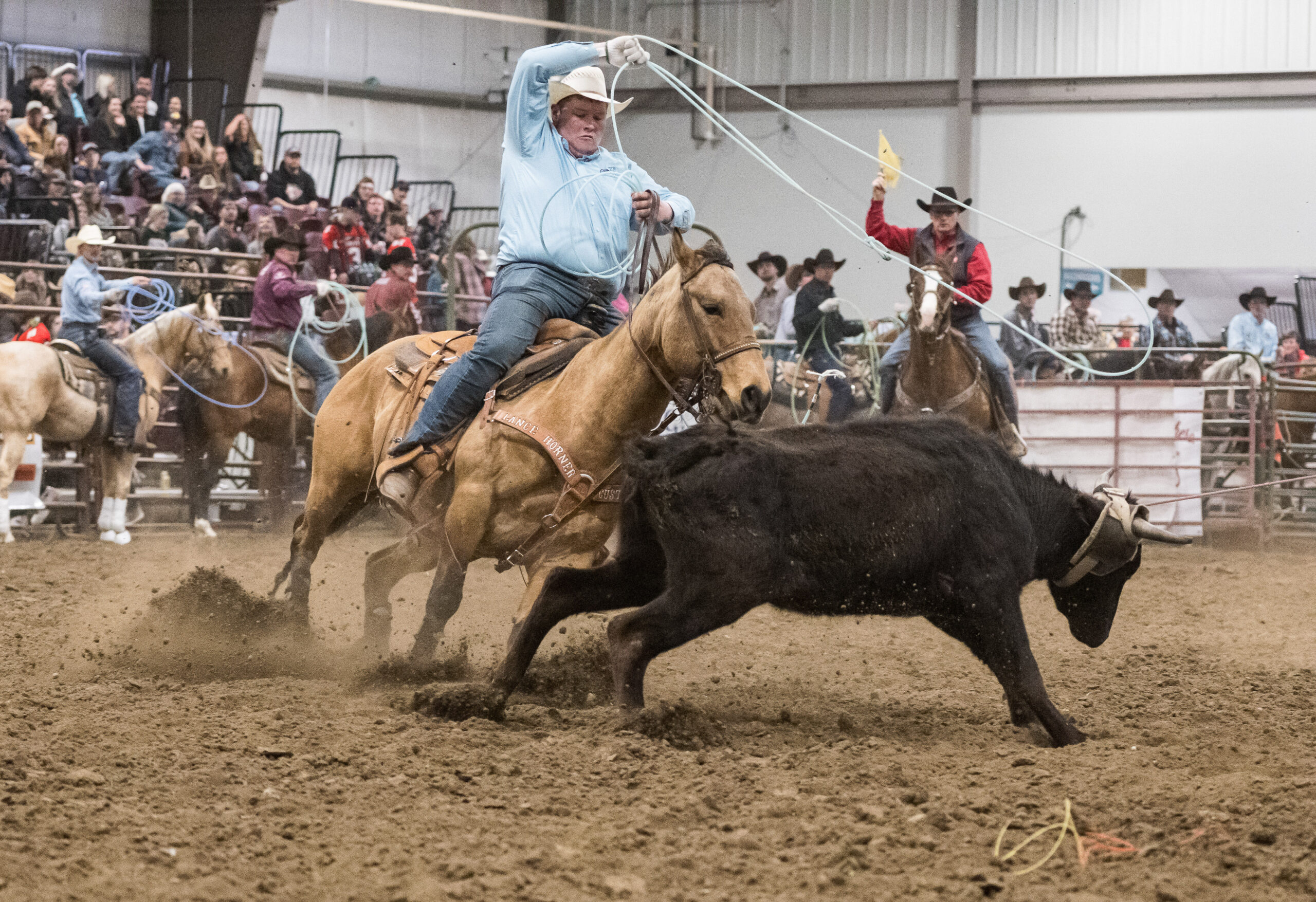
Two contestants, two horses, two ropes, one steer and one barrier rope. Team roping requires close cooperation
and timing between highly skilled ropers, a header and heeler. As in other timed events, the team ropers
start from boxes on each side of the chute from which the steer is released into the arena. The steer
gets a head start depending on the length of the arena. The header takes off in pursuit, with the heeler
trailing slightly behind. If the header breaks the barrier before the steer completes its head start, the ropers
are assessed a ten second penalty. Once the header makes his catch he turns the steer to expose the back
legs to the heeler. The heeler then attempts to rope both hind legs. If only one is caught, there is a five second
penalty. The clock is stopped when there is no slack in the ropes and the horses are facing each other.

Tie-down roping is the most technical event in rodeo. At the start of the run, the roper must remain behind
the barrier until the calf crosses the scoreline. Breaking the barrier adds ten seconds to the roper’s time.
After roping the calf, the cowboy dismounts from his horse, runs down his rope and lays the calf down by
hand. If the calf is down when he reaches it, he must allow the calf to get up and then lay it down. The
roper then ties any three legs with a “piggin’ string” (a shorter rope he carries between his teeth). The tie
must hold for six seconds after the roper remounts his horse. The work of the horse is crucial; he must rate
the speed of the calf, stop on cue in a single stride then hold the rope taut while the roper runs to his calf.

Timing, coordination and strength are prerequisites for a steer wrestler. To begin with, he must remain behind the
barrier, which is a rope stretched across the front of the starting box, until the steer crosses the scoreline, giving it
a prescribed head start. If the cowboy breaks the barrier, ten seconds are added to his time. The horse is trained
to run beside the steer and then run on by as the steer wrestler reaches for his steer. The steer wrestler catches
the right horn in the crook of his right arm then must hit the ground with his legs extended forward in order to
bring the steer to a halt. Using his left elbow and forearm as leverage under the steer’s nose, he ‘bulldogs’ the
steer to the ground. The steer must be flat on its side with all four legs extended. The second mounted cowboy is
the hazer and it’s his job to keep the steer running straight, allowing the bulldogger to get down on the steer.

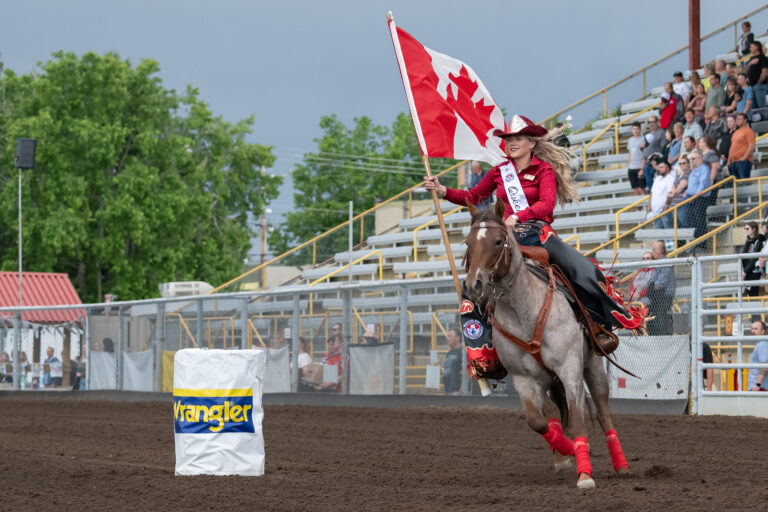
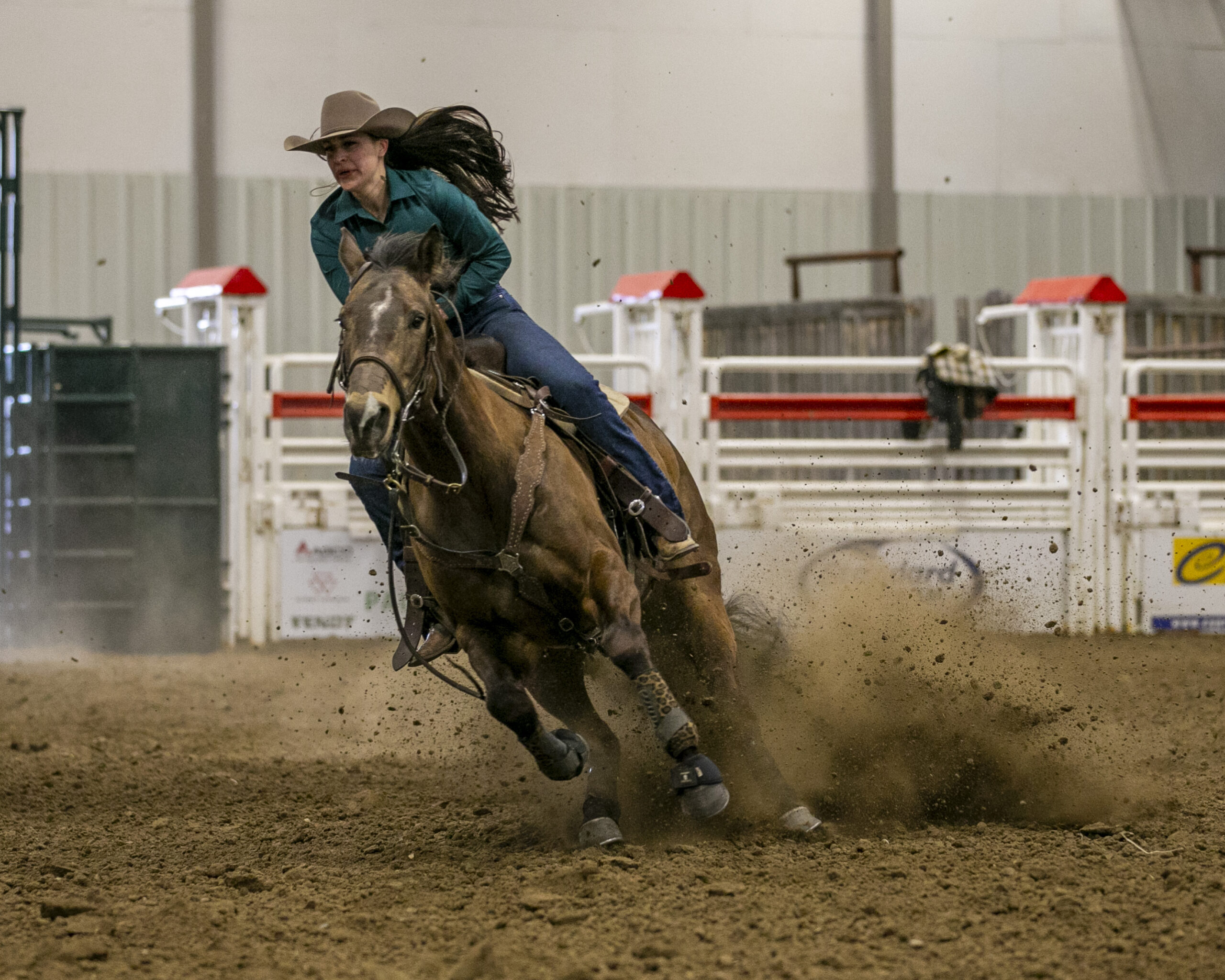
One of rodeo’s most popular events, the barrel race requires the rider and her horse to complete a cloverleaf pattern
around three barrels. The time starts when the competitor crosses an electric beam of light (start / finish
line) and the time is completed when she recrosses the line after completing the pattern. Talented riders on fast,
athletic horses that can blaze through the pattern while keeping all three barrels standing are the key to success.
A five second penalty is assessed for a barrel being tipped over, effectively knocking the rider out of the money.

This event is the most physically demanding in rodeo. The cowboy inserts his gloved hand into the suitcase handle-like bareback riggin which is made of leather and is cinched around the horse. The stress on the riding arm is intense, absorbing most of the horse’s power. The rider will be disqualified for failing to keep his spurs over the break of the horse’s shoulders until the first jump out of the chute is complete, for touching the animal or equipment with the free hand, or for getting bucked off before the end of the eight-second ride. Riders try to spur the horse on each jump, reaching as far forward as they can with their feet, then bringing their spurs back toward the riggin. While they look wild and out of control, the great bareback riders are anything but – keeping their bodies in the middle of the horse’s back while working their spurs to advantage for the entire eight seconds.

In the “classic event of rodeo”, the rider spurs from the animal’s shoulders in an arc-like motion toward the
back of the saddle in time with the bronc’s actions. The cowboy rides in an “Association Saddle” with no horn
while holding onto a braided buck rein. He wears spurs with dull rowels and chaps of light leather. The cowboy
places his hand on the rein carefully to maintain balance and avoid either being pulled down over the
front end or launched out ‘the back door’. To qualify for a score, the rider must have his boots over the break
of the horse’s shoulders until the horse has completed his first jump out of the chute. He cannot touch any
part of the animal or equipment with his free hand, lose a stirrup or get bucked off before the end of the eight
second ride. The higher and harder the horse bucks and the better the cowboy spurs-the higher the score.

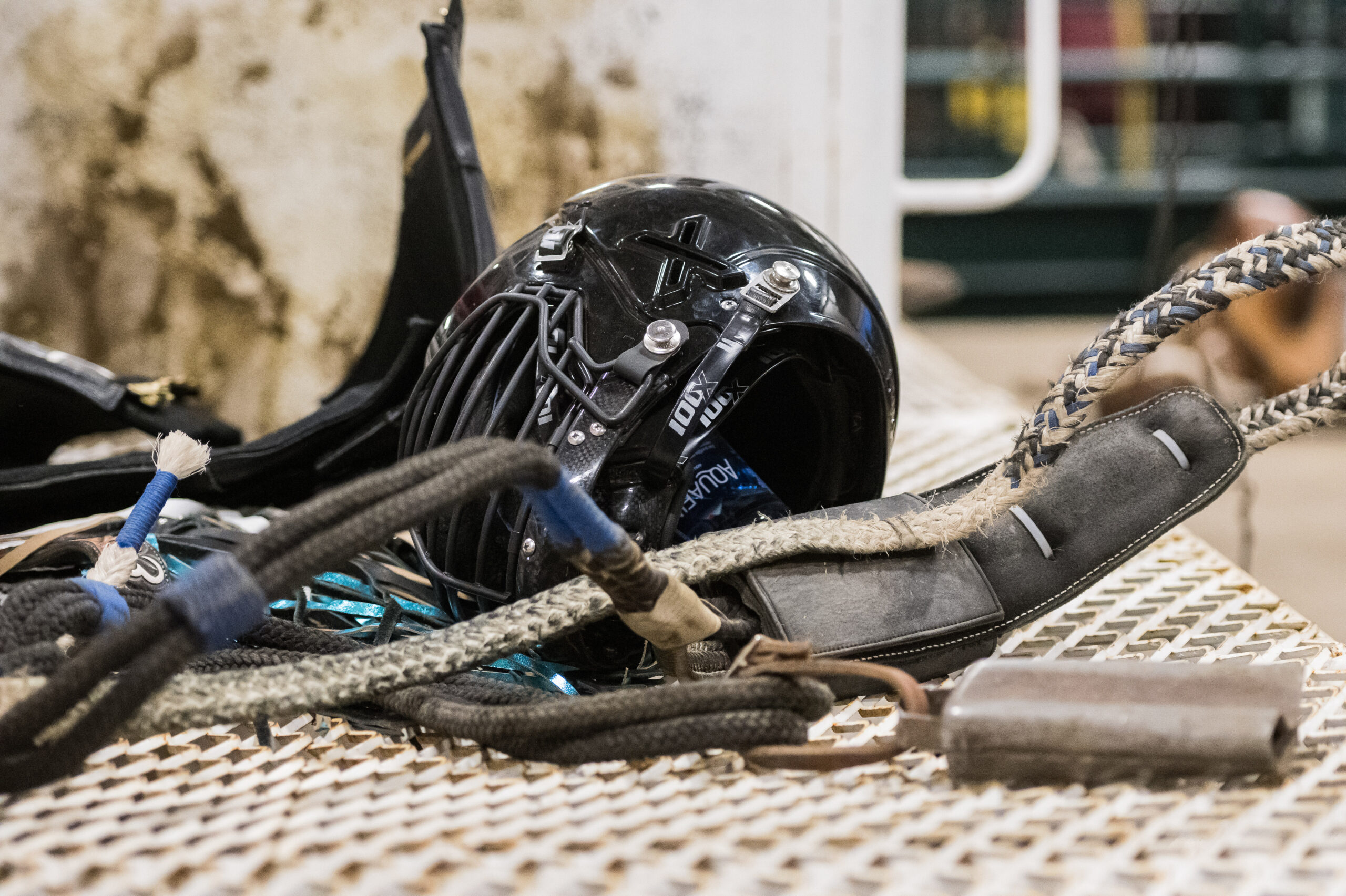
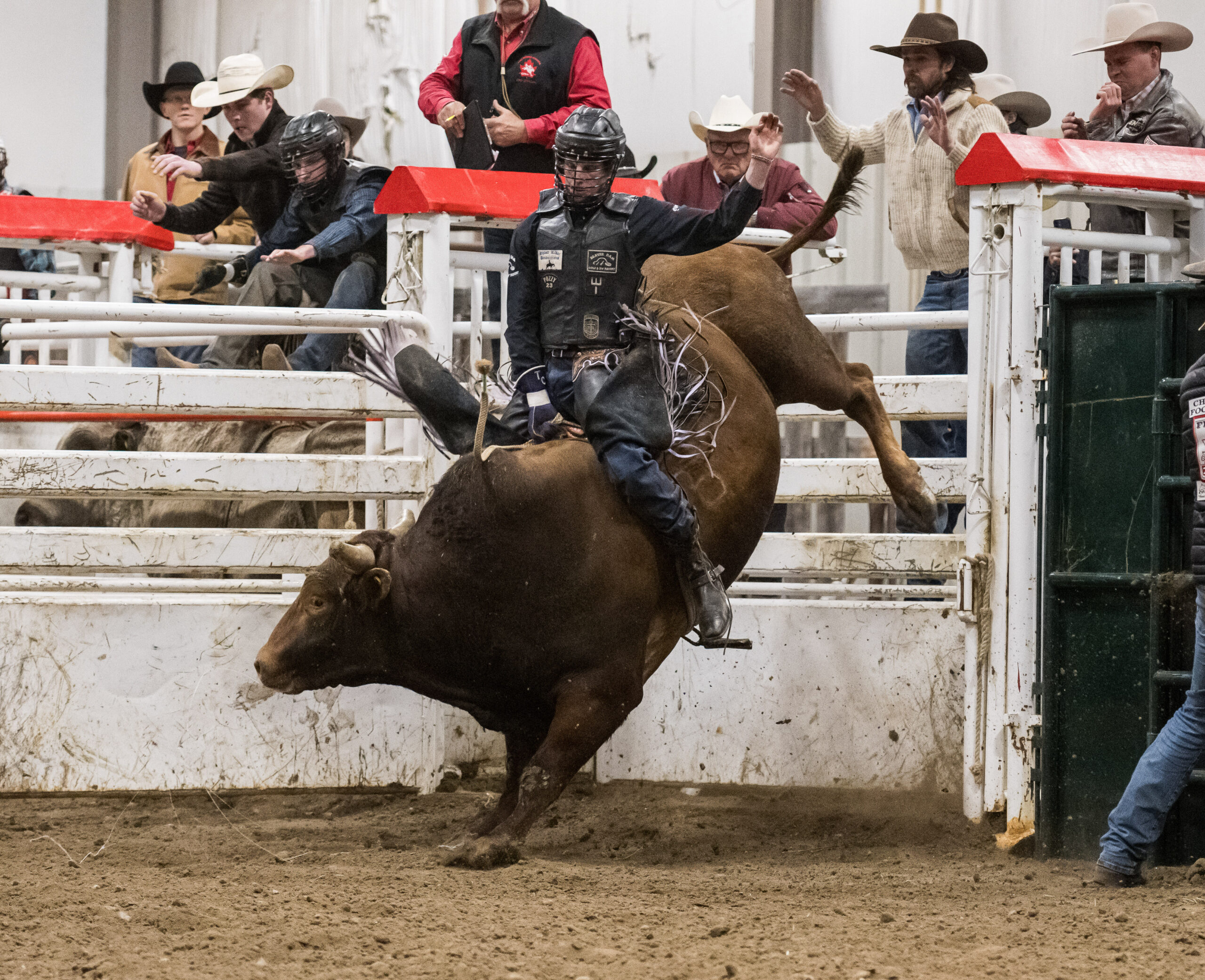
Rodeo’s most dangerous event and the toughest eight seconds in sport. The bull rider inserts his gloved hand
into the handhold of a flat, braided rope which is passed around the girth of the bull, into the palm of the
hand, around behind the wrist and into the palm of the hand one more time. A weighted cowbell hangs on
the underside of the rope allowing it to fall free when the ride is completed. During the eight second ride, the
cowboy must keep himself close up on the handhold to prevent his arm from straightening and jerking his
hand loose at the same time keeping his free hand from touching the bull. Riders are not required to spur, as
staying on these strong, athletic, loose-hided and often cantankerous animals is difficult enough. But if the
cowboy is able to use his feet, he can improve the mark from the judges. Rather than pick-up men, skilled
‘’bullfighters’ distract the bull at the end of the ride to allow that cowboy to escape to safety.